

What Is Building Energy Modeling?
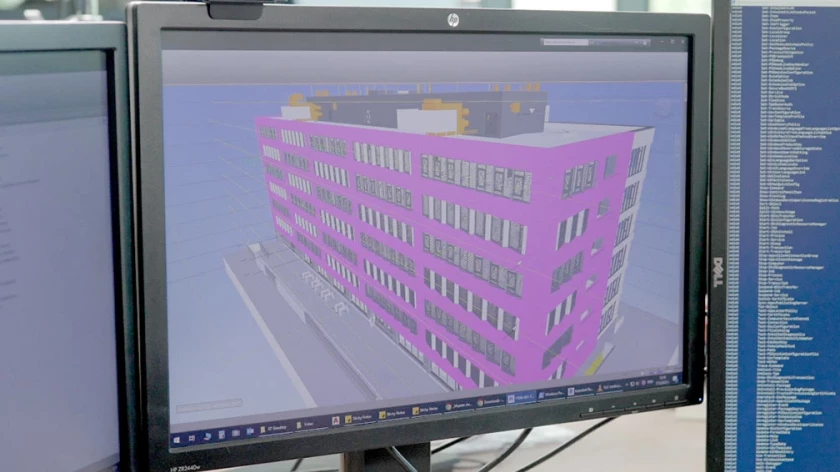
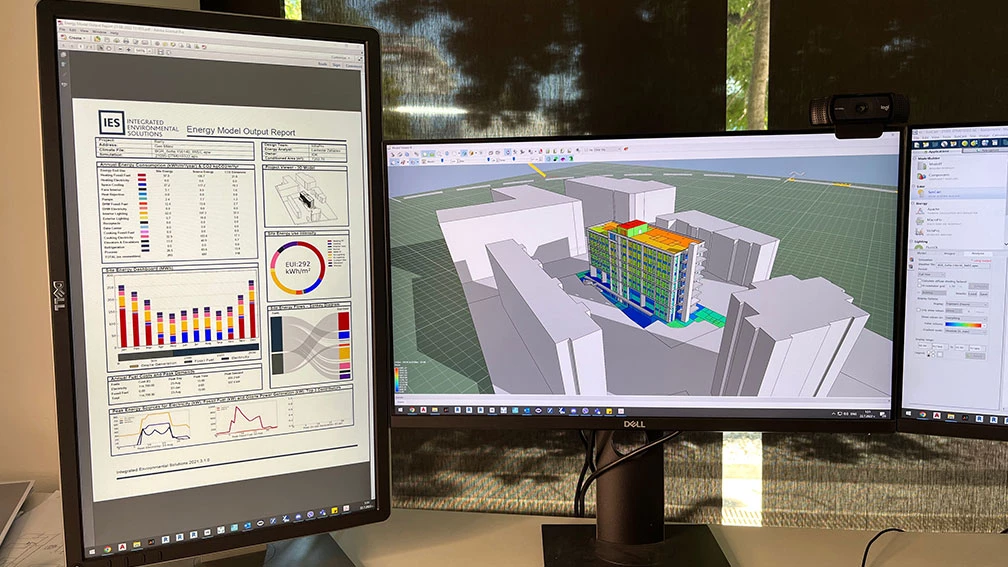
Building energy modeling is a computer simulation process used to analyze the expected energy performance of a building during the design stage. The model considers architectural form, orientation, climate, the building envelope, shading, lighting, engineering systems, and occupancy schedules.
The results allow alternative design solutions to be compared before they are finalized.
What Does the Energy Analysis Include?
Depending on the building use and project stage, the service may include:
-
preparation of the geometric and energy model;
-
input of climate and operating data;
-
building envelope analysis;
-
assessment of heat gains and losses;
-
heating, cooling, and ventilation analysis;
-
evaluation of lighting and internal loads;
-
comparison of engineering system options;
-
analysis of annual energy use;
-
occupant comfort assessment;
-
recommendations for improved energy performance.
The exact scope depends on the project stage, available information, and objectives of the analysis.
How Does Energy Modeling Support the Design Process?
The energy model is used as part of architectural design to compare options for orientation, glazing, shading, materials, and spatial organization.
The analysis also supports HVAC systems design by evaluating alternative heating, cooling, and ventilation strategies. The data may also inform lighting, controls, and other decisions related to electrical systems design.
For projects pursuing BREEAM certification or LEED certification, energy modeling can provide analyses and evidence required under the relevant criteria.
What Does the Investor Receive?
The investor receives a building model, simulation results, comparison of the evaluated options, and recommendations for improving energy efficiency and operational performance.
The analysis supports a better balance between initial investment, future energy consumption, occupant comfort, and long-term operating costs. It may also form part of a broader sustainable design and consulting strategy.
Need an Energy Analysis for a Building?
Contact us to discuss the project stage, available information, and appropriate scope of the energy model.