

What Do Geodesy and Site Terrain Modeling Cover?
Geodesy and site terrain modeling define the relationship between the building, the terrain, and the surrounding outdoor spaces. They provide the basis for positioning the development, establishing project levels, organizing access, managing drainage and earthworks, and coordinating site infrastructure.
What Does the Project Include?
Depending on the property and project scope, the work may include:
-
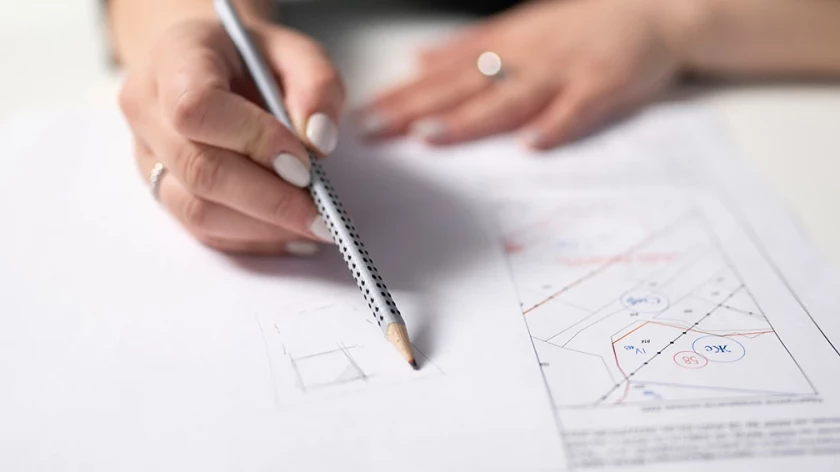
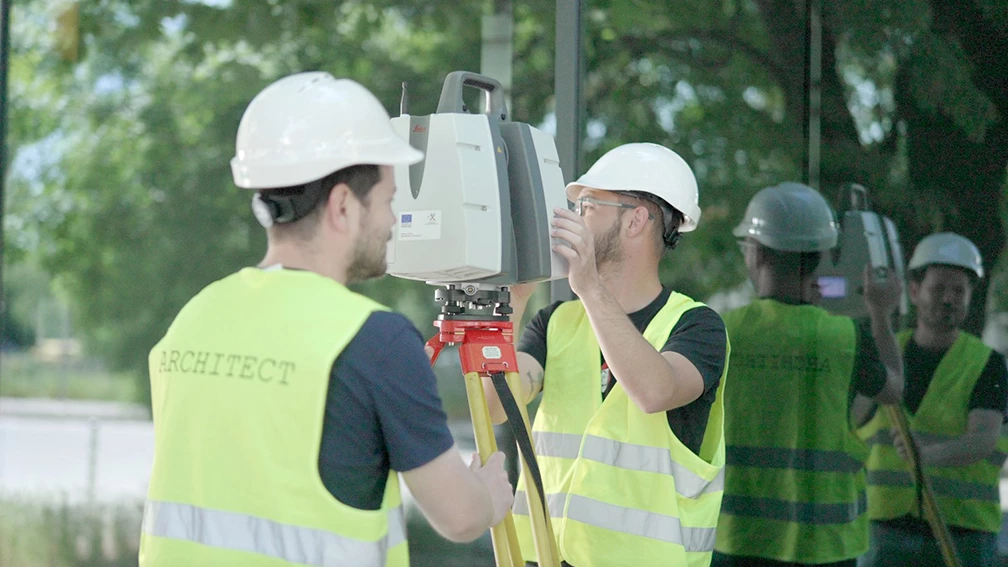
analysis of the existing terrain and level differences;
-
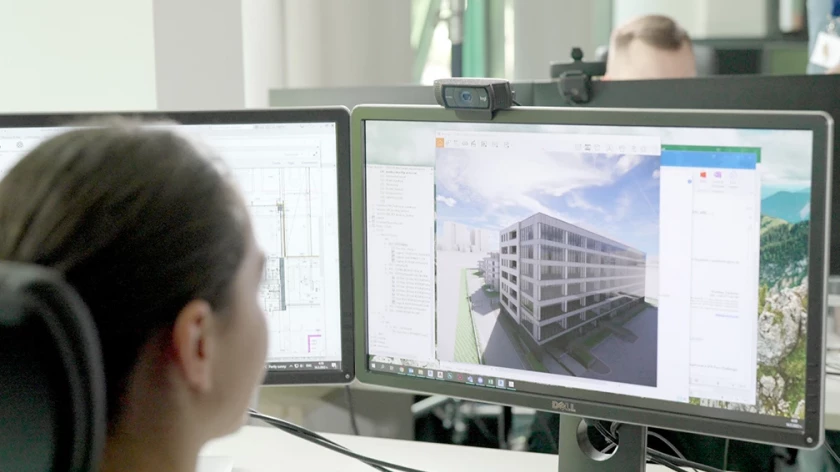
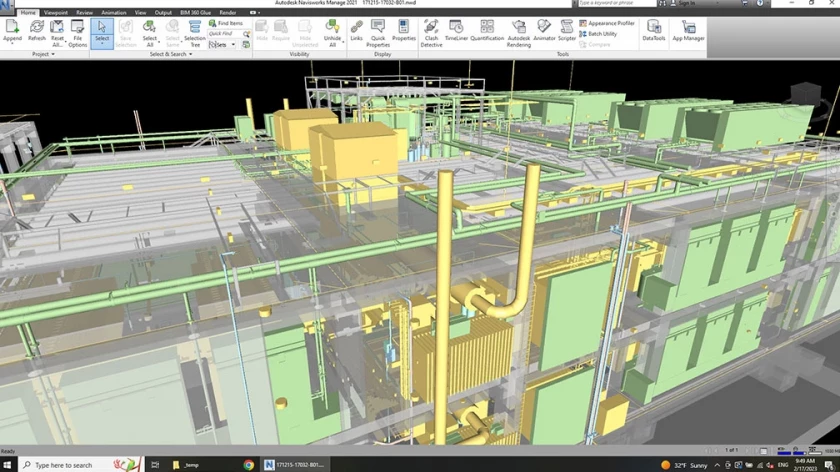
development and use of a digital terrain model;
-
definition of project levels and slopes;
-
solutions for approaches, ramps, and pedestrian and vehicle access;
-
surface water and rainwater drainage;
-
earthworks analysis and excavation and fill balance;
-
connections to adjacent areas and site infrastructure;
-
drawings, models, and technical data within the agreed scope.
The solutions respond to the site levels, property access, building function, existing utilities, and the conditions for construction and future operation.
How Are the Solutions Coordinated?
Project levels, access routes, and the organization of outdoor spaces are coordinated with architectural design and landscape design. This allows the building, paved areas, planting, and surrounding terrain to be developed as one coherent solution.
Drainage, site networks, and property access are coordinated with engineering infrastructure, water supply and sewerage design, and road and transport infrastructure design. Early coordination reduces the risk of inconsistencies between project levels, utility routes, and actual site conditions.
What Does the Investor Receive and What Projects Is the Service For?
The investor receives a technical basis for positioning the building, shaping the terrain, planning earthworks, and coordinating external infrastructure.
The service applies to residential, public, workplace, commercial, industrial, and mixed-use projects, as well as sites with complex level differences, restricted access, or specific drainage and outdoor-space requirements.
Need Geodesy and Site Terrain Modeling?
Contact us to discuss the site conditions, required baseline information, and appropriate project scope.