

What Is Virtual Reality for Architectural Projects?
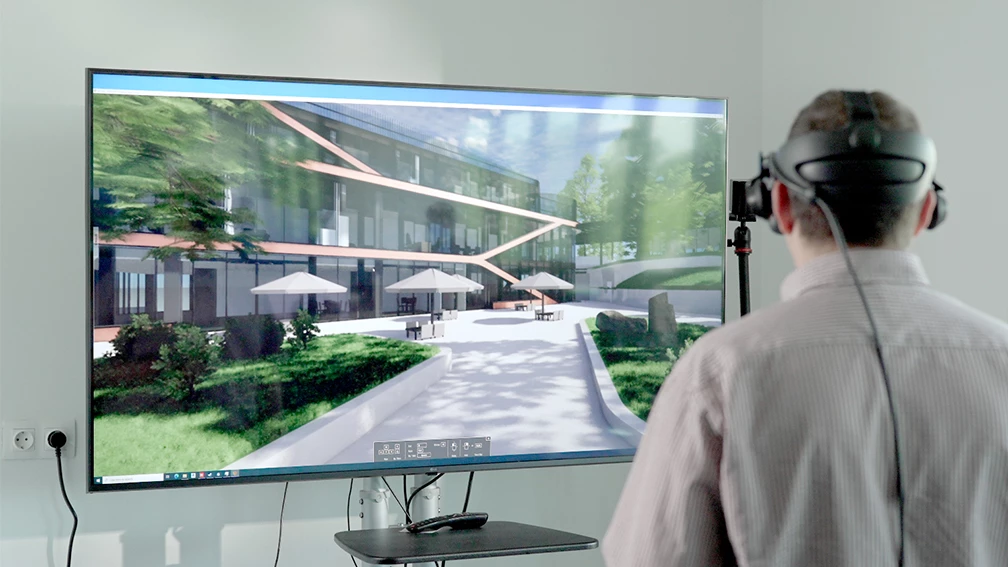
Virtual reality allows an architectural project to be experienced as an interactive 3D environment before construction. Using a VR headset or a 360-degree virtual walkthrough, users can explore spaces, change their viewpoint, and gain a clearer understanding of scale, materials, lighting, and atmosphere.
This form of presentation helps communicate design solutions that may be more difficult to understand through plans, sections, and static images.
What Does the Service Include?
Depending on the project and intended use of the virtual experience, the service may include:
-
review of the architectural concept and project documentation;
-
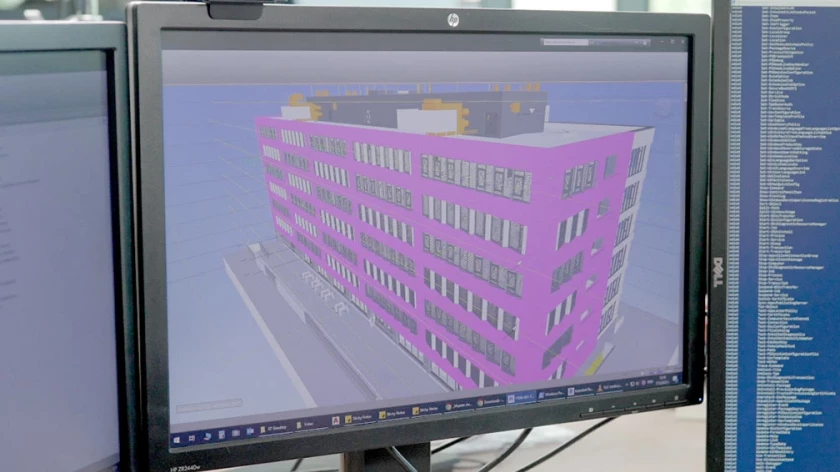
preparation or further development of the 3D model;
-
selection of spaces, scenes, and viewpoints;
-
development of materials, textures, and lighting;
-
addition of furniture, equipment, and environmental elements;
-
preparation of interior and exterior environments;
-
development of navigation and interactive points;
-
production of 360-degree panoramas;
-
preparation of content for VR headsets, websites, or presentations;
-
testing and revisions within the agreed scope.
The level of detail and interactivity depends on the project stage, available information, equipment, and intended presentation format.
How Is the VR Experience Developed?
The work begins with a review of the architectural concept, plans, elevations, sections, and available digital model. The spaces to be explored, user movement, materials, lighting, and required interactive elements are then defined.
Existing 3D visualizations may provide the basis for the visual character of the environment. For interior spaces, the model is developed in relation to the interior design, while exterior environments may incorporate landscape design.
Where the project needs to follow a predefined sequence of scenes, the VR content may be supplemented with a 3D animation.
What Does the Investor Receive?
The investor receives a virtual experience or 360-degree walkthrough in the agreed format and with the required level of interactivity. The content may support design reviews, presentations, sales, leasing, public communication, and marketing campaigns.
The virtual environment makes it easier to evaluate scale, spatial relationships, visibility, materials, and atmosphere. It can support the timely identification of required changes before they become considerably more expensive physical alterations.
Need a Virtual Walkthrough for an Architectural Project?
Contact us to discuss the project documentation, required spaces, navigation, and appropriate presentation format.