What Is Urban Mediation?
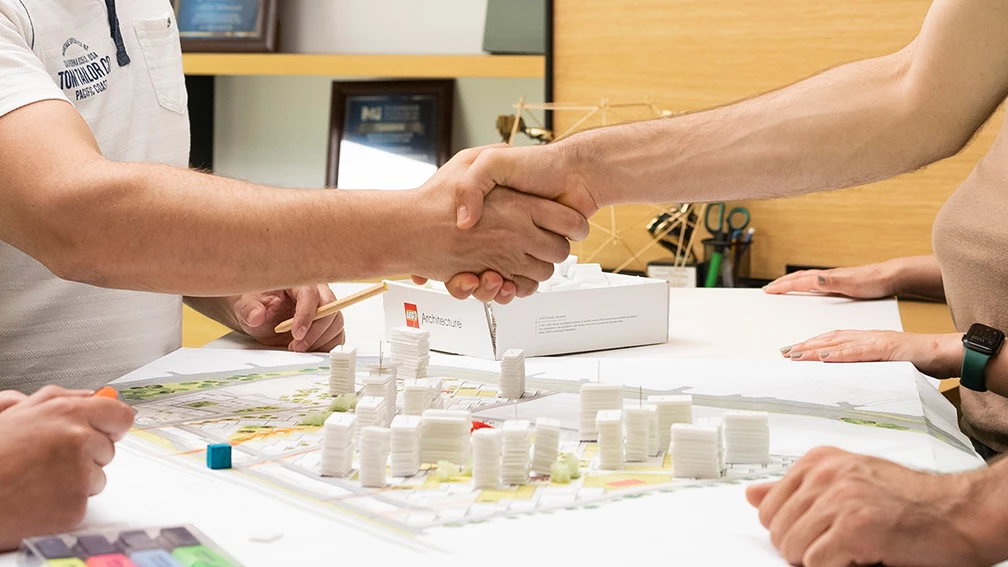
Urban mediation supports dialogue between investors, designers, public authorities, property owners, local communities, and other stakeholders involved in urban planning and development projects.
Its purpose is to address different interests, expectations, and concerns before they result in conflict, delays, or changes during later project stages.
What Does the Process Include?
Depending on the nature and complexity of the project, urban mediation may include:
-
identification of relevant stakeholders;
-
analysis of their interests, expectations, and concerns;
-
identification of potential areas of conflict;
-
preparation of a communication approach;
-
participation in meetings, discussions, and consultations;
-
presentation and comparison of alternative scenarios;
-
formulation of shared principles and possible solutions;
-
documentation of positions and required next steps.
The process is adapted to the specific territory, investment proposal, public significance, and stage of project development.
When Is Urban Mediation Required?
Urban mediation is particularly useful for complex territories, sensitive locations, projects of public interest, and investment proposals affecting different groups of users.
It may be connected with an investment intention analysis and Project Test Fit, a territorial development concept, or a detailed development plan, DDP. Early dialogue helps identify potential conflicts before detailed design and administrative procedures begin.
Where the project needs to be presented to public authorities and other stakeholders, the process may also support subsequent project coordination and approval.
What Does the Investor Receive?
Depending on the agreed scope, the investor may receive a stakeholder analysis, review of principal risks, communication framework, summary of different positions, and recommendations for the next project stages.
For larger territories and long-term developments, urban mediation may form part of a broader strategic planning process. The objective is to establish a clearer and more balanced development basis that considers investment goals, regulatory conditions, public interests, and the needs of future users.
Working on a Complex Urban or Development Project?
Contact us to discuss the stakeholders, potential risks, and appropriate communication process.