

Architecture Goes to the Movies: From 3D Visualizations to 3D Animations
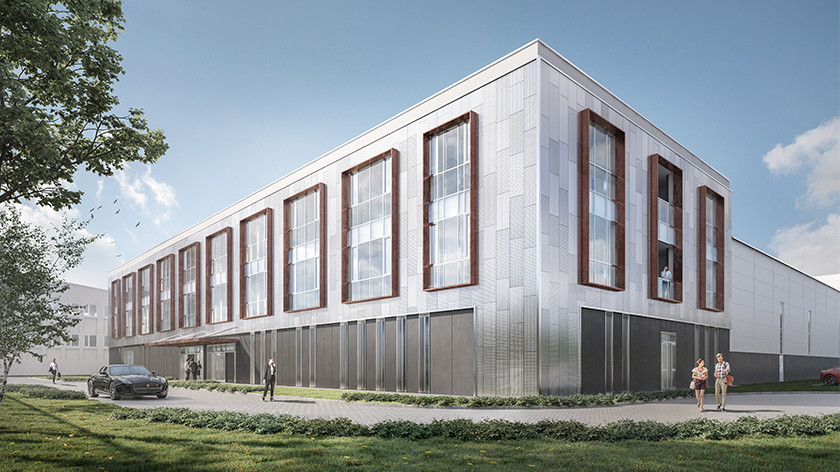
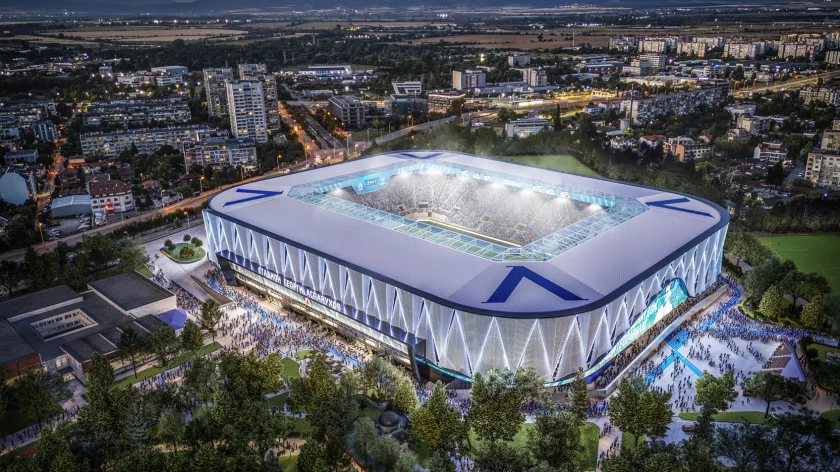
Architectural visualization has moved beyond the static image. While 3D visualizations and architectural renderings remain an important way to communicate materials, light, scale, and spatial relationships before construction, animation adds movement and time to the way a project is experienced.
By drawing on techniques from cinema and gaming, 3D animations for architectural projects can turn a sequence of rendered views into a spatial journey. Camera movement, transitions, lighting, atmosphere, and carefully developed scenarios help clients and future users understand not only how a building looks, but also how its spaces connect and how the architecture may be experienced in motion.
This approach was explored through ARCHTECH by IPA as part of the development of 3D Visual Collaboration methods. Interactive and real-time presentation gives clients a more active role in understanding the design, allowing architectural concepts, spatial qualities, and project decisions to be communicated more clearly.
3D animation does not replace static architectural visualization. Instead, the two formats complement each other. Renderings provide focused views of key spaces and details, while animation introduces sequence, movement, and a stronger sense of scale and atmosphere. Together, they create a more complete representation of an architectural project before it is built.