

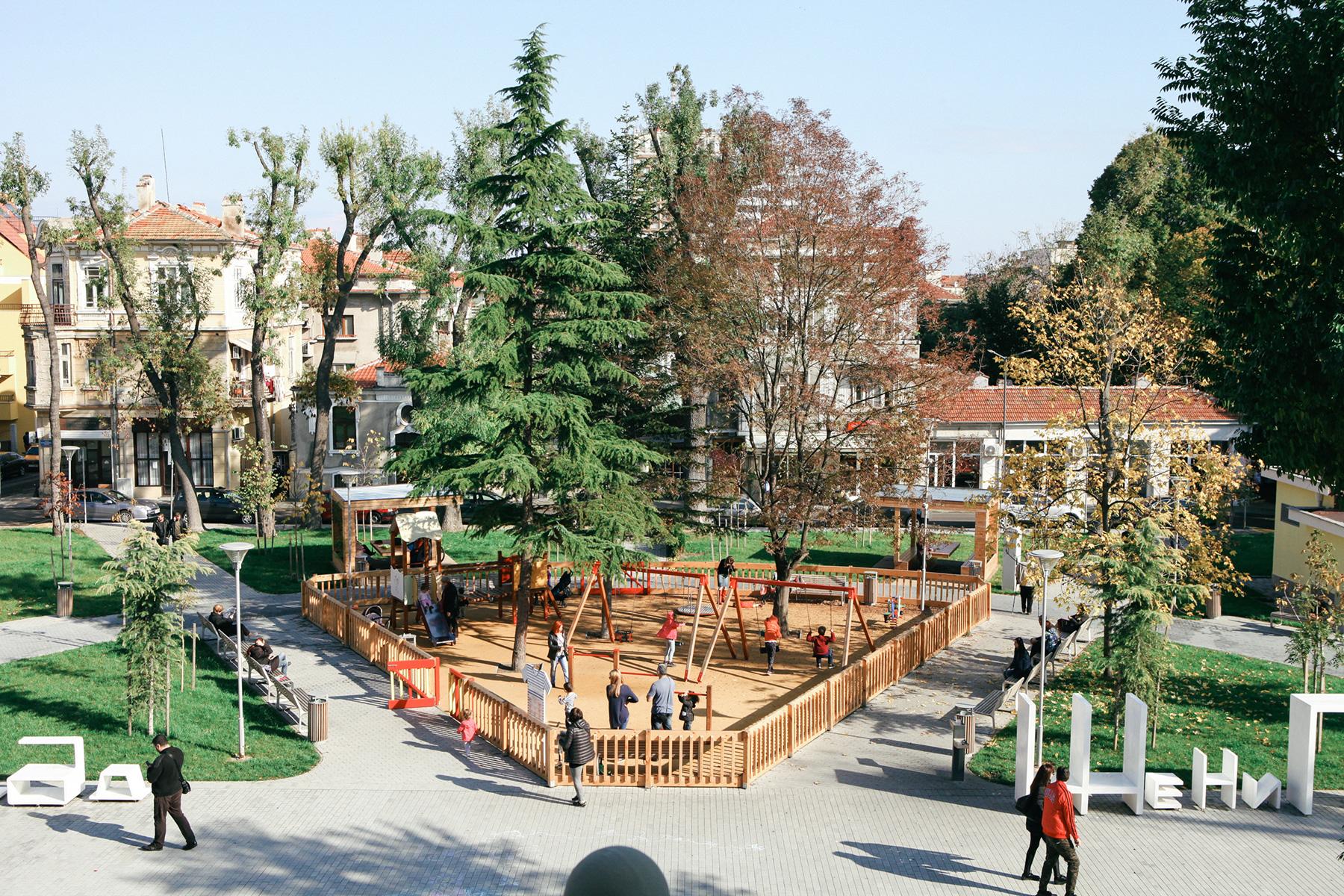
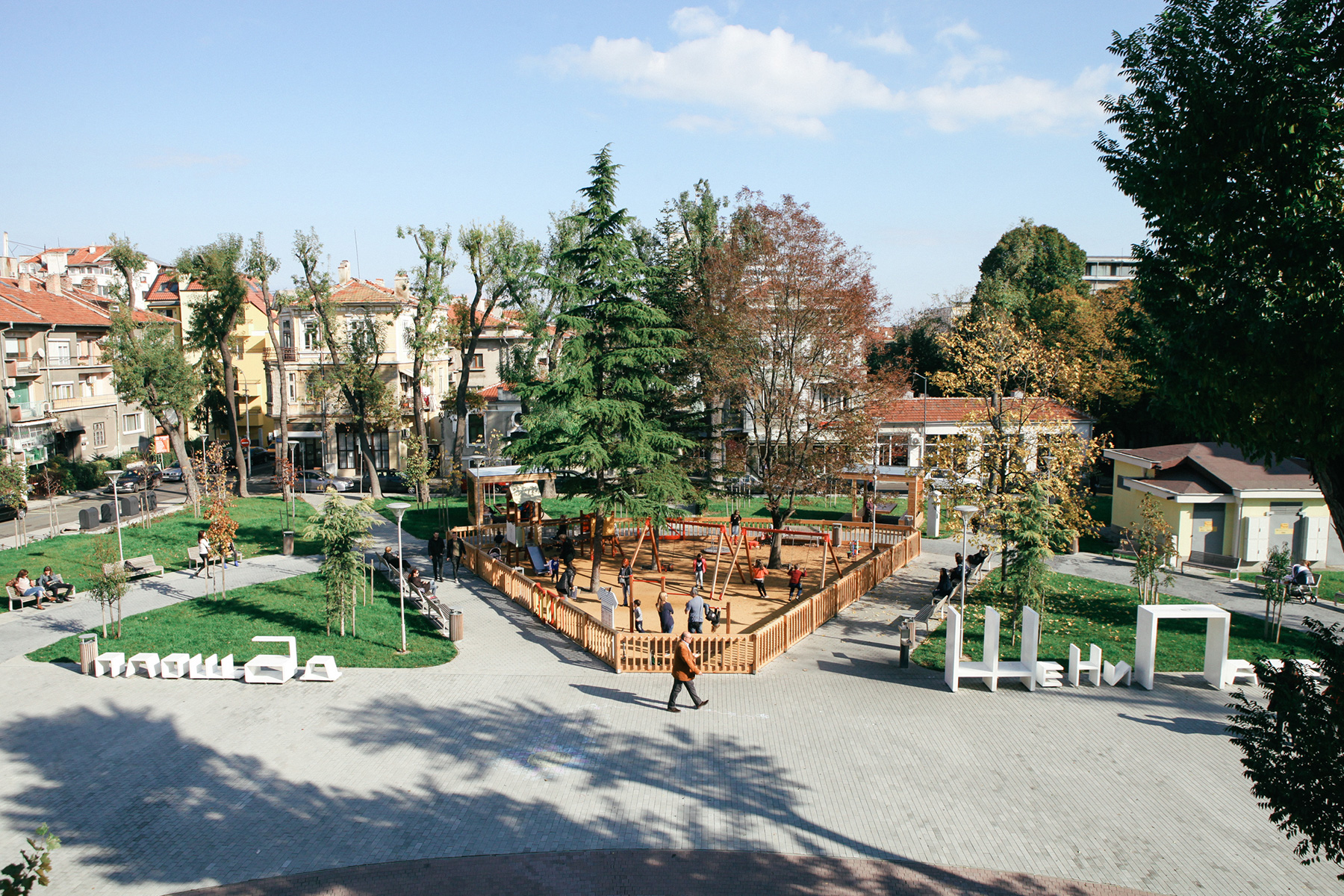
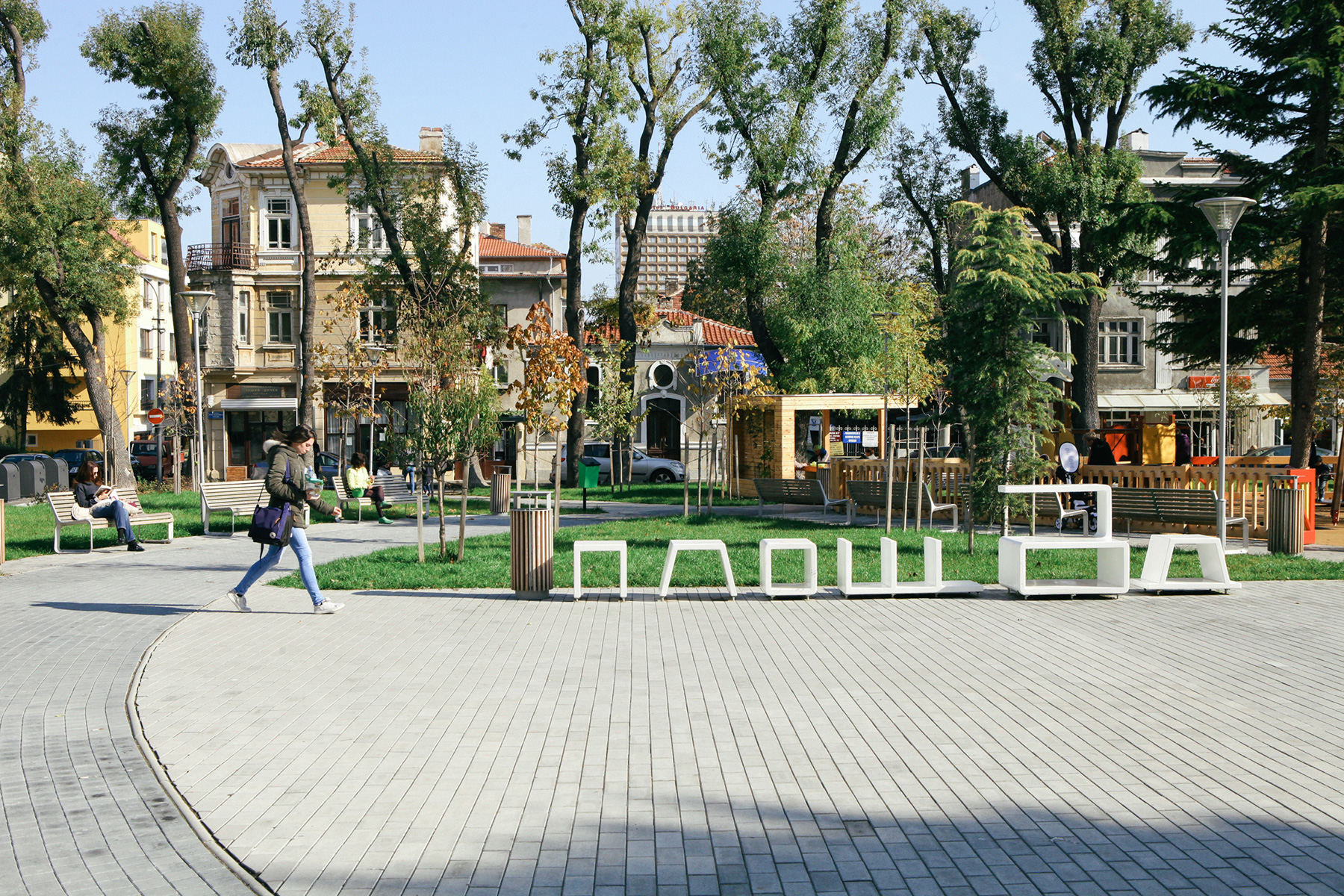
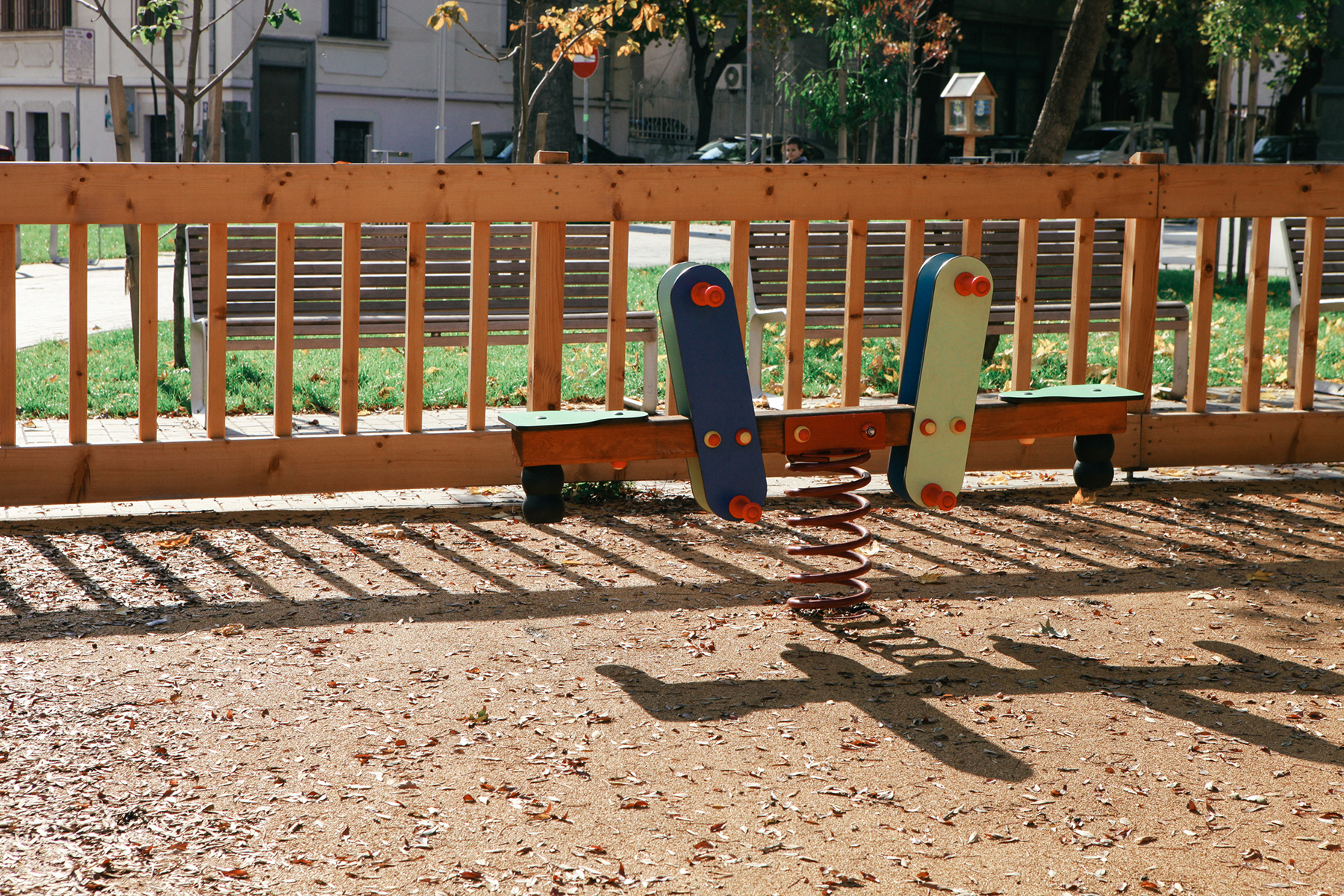
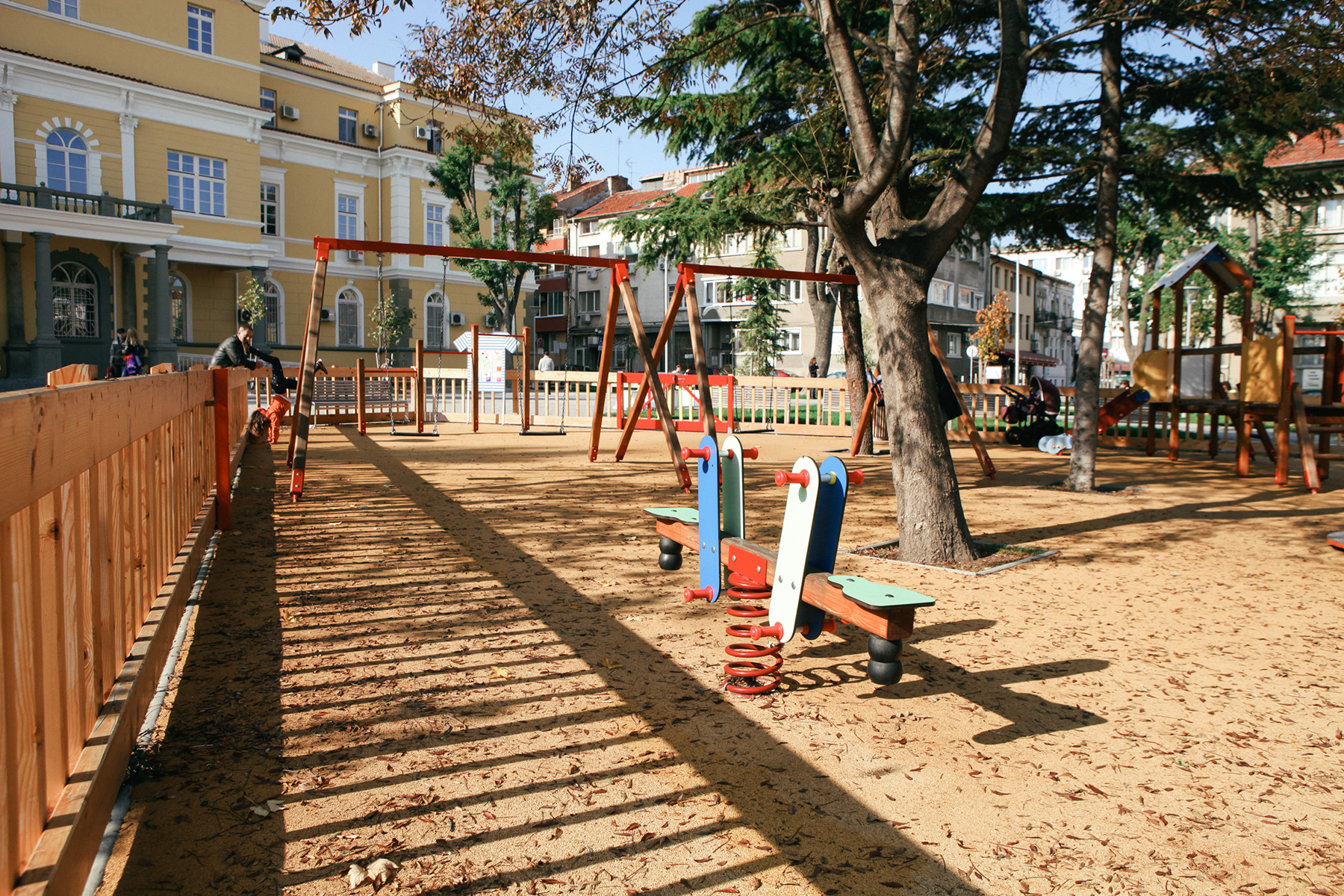
The urban environment project in Burgas stands as an exceptional example of collaboration, coordination, and the implementation of solutions aimed at creating a more aesthetic, healthy, and human-centered urban space. In IPA - Architecture and more, the Municipality of Burgas found a partner whose ideas extended far beyond the initial brief for interventions in isolated streets and local zones, resulting in a unified citywide vision and significantly improved living conditions for its residents.
The city is a pioneer in introducing a range of strategies that upgrade and transform the entire urban fabric. The project is distinguished by its scale and by the comprehensive changes made across a large territory - the entire central urban area, its network of streets, the inter-block spaces within the central zone, and the Vuzrazhdane neighborhood. To achieve a cohesive vision and an integrated spatial solution, the teams of IPA – Architecture and more and Alve Consult worked jointly and in close coordination across both project phases.
The reconstruction projects for the Central Urban Area and Vuzrazhdane implement a new traffic organization system that spans the entire city. Beyond establishing new one-way directions, the scheme fundamentally reconsiders mobility as a whole. The traffic strategy is built on the concept of lightened urban movement that prioritizes people, shifting cars away from their role as the dominant mode of mobility. To achieve this, the project introduces new street directions, widened sidewalks that support pedestrian flow and greenery, a citywide network of bicycle lanes, and their optimal integration with public transport.
Another innovative aspect is the development of a unified color scheme and design language for the urban elements within the neighborhoods and the central area. The city is divided into four main color zones applied to key components of the urban design: red for the central administrative district, blue for the areas near the sea, green for the east–west districts, and yellow for the north–south axis. Beyond their aesthetic value, these colors also serve as an intuitive orientation tool.
A further distinctive solution within the mobility strategy is the introduction of so-called shared streets, making Burgas the first city in Bulgaria to implement this type of movement structure. All southeastern streets are redesigned as fully shared spaces, with a single-level surface suitable for pedestrian, bicycle, and slow vehicular movement. Additional urban-design elements - street lighting, bollards, benches, and signage, all aligned with the designated color scheme - prevent vehicles from encroaching onto pedestrian zones.
A pioneering component of the project is also the implementation of underground waste collection systems and the creation of a comprehensive scheme for their operation across the central urban area and the Vuzrazhdane neighborhood.