


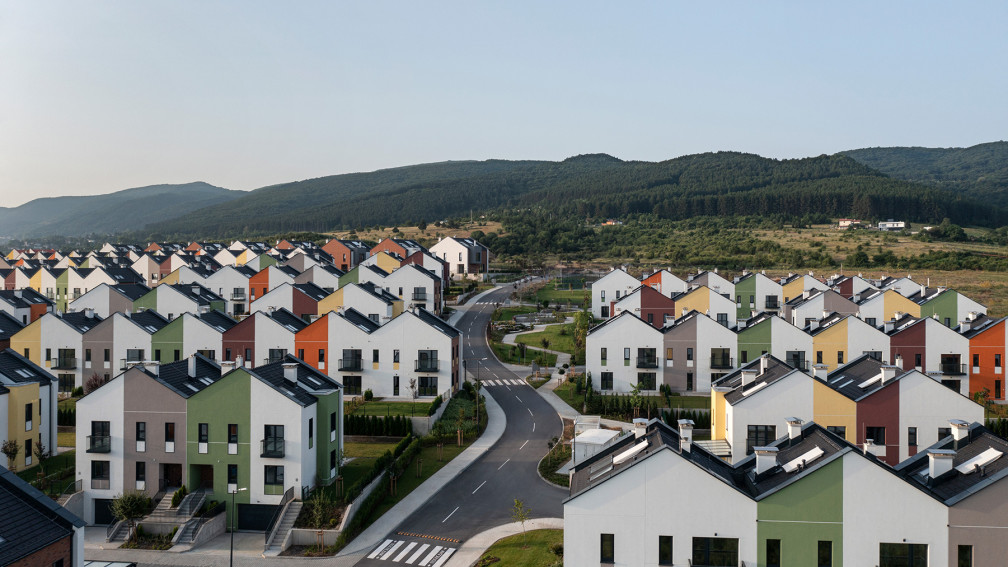
Urban Design and Master Planning
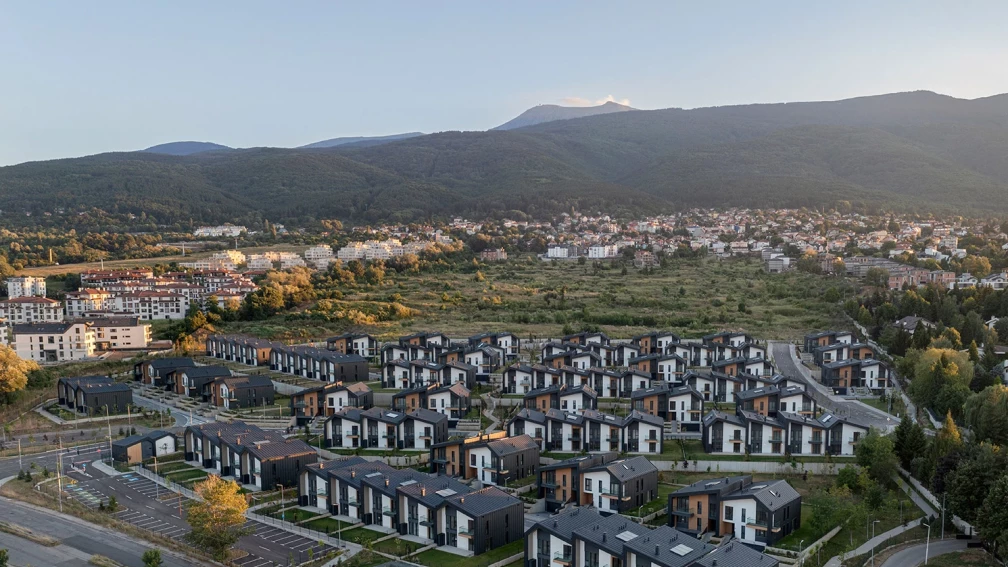
Urban design considers buildings, infrastructure, landscape, public spaces, and pedestrian connections as parts of one spatial system. In larger developments, decisions about access, functional zoning, density, phasing, and the character of the environment need to be established before individual buildings are developed.
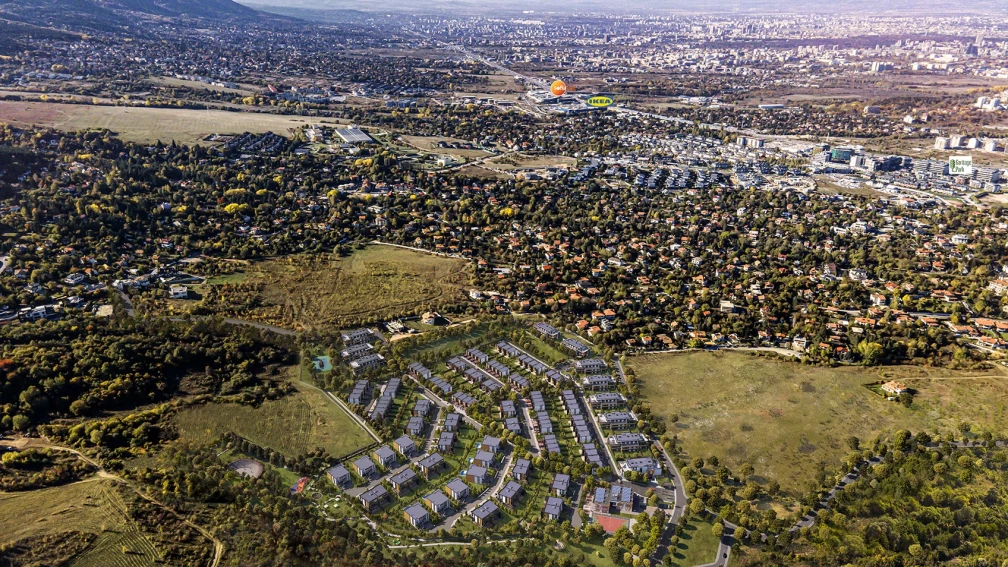
Through urban planning and cadaster, IPA - Architecture and more analyzes the context of a site, transportation access, pedestrian routes, infrastructure, green areas, and connections to the existing urban fabric. The aim is to establish a clear framework in which different functions can develop coherently over time.
Spatial Structure, Connections, and Public Space
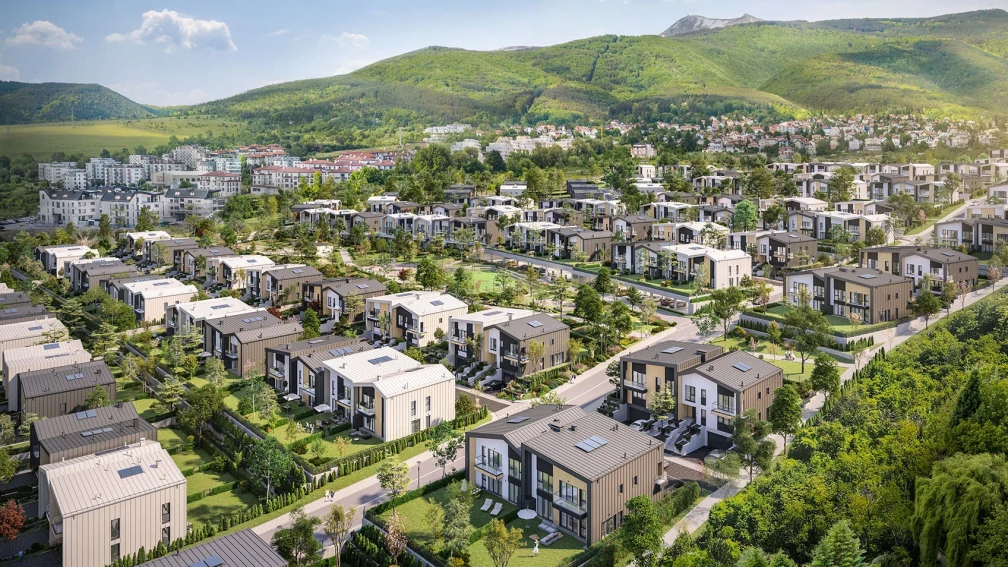
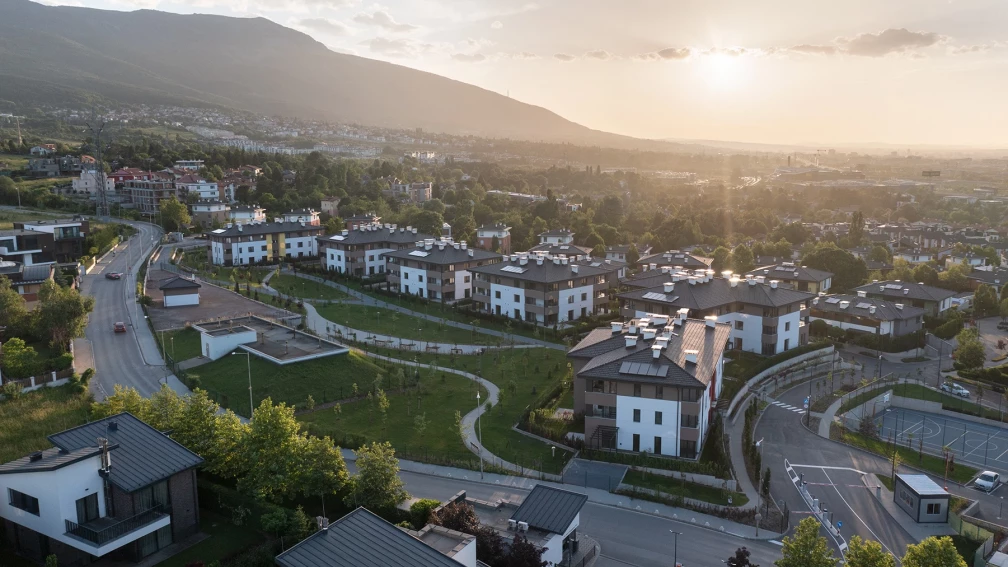
In residential developments, urban design defines the relationships between buildings, streets, pedestrian areas, landscaping, and shared spaces. The placement of individual volumes influences access, views, natural light, and the way outdoor spaces are formed between buildings.
These projects have a direct relationship with residential buildings, but their scale extends beyond the boundaries of an individual building. The focus is on creating an integrated environment in which architecture, landscape, circulation, and public space work together as one connected system.
From Residential Developments to Urban Regeneration
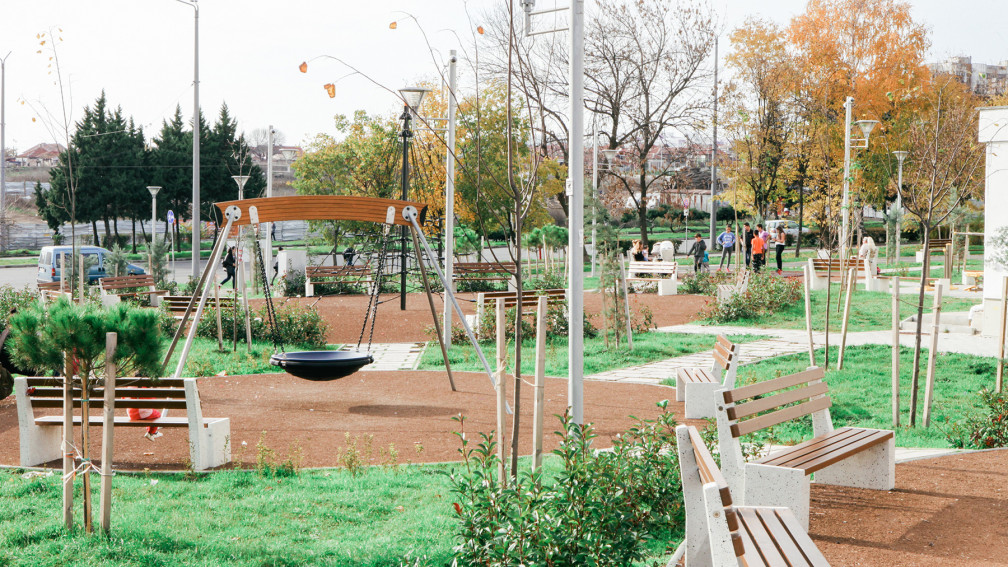
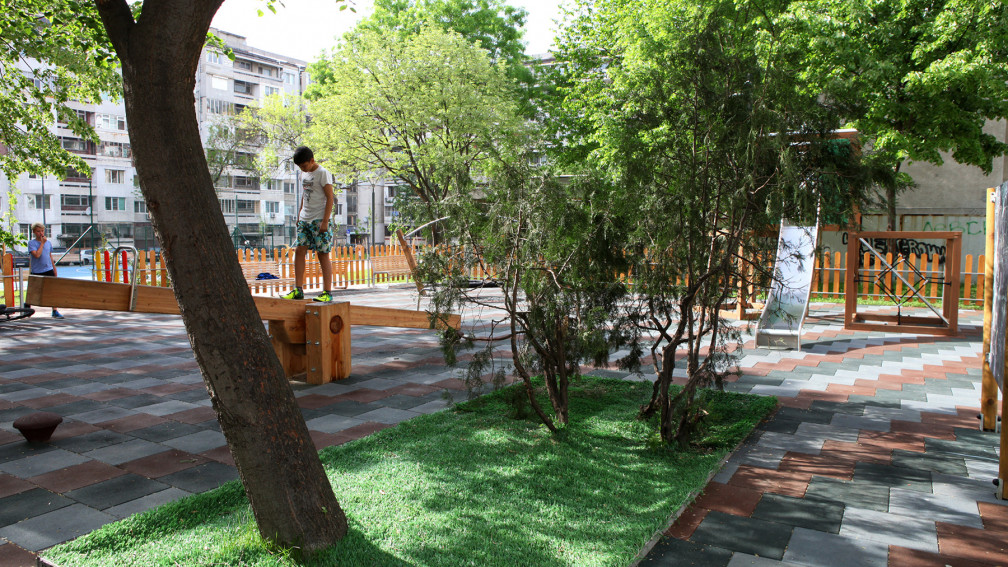
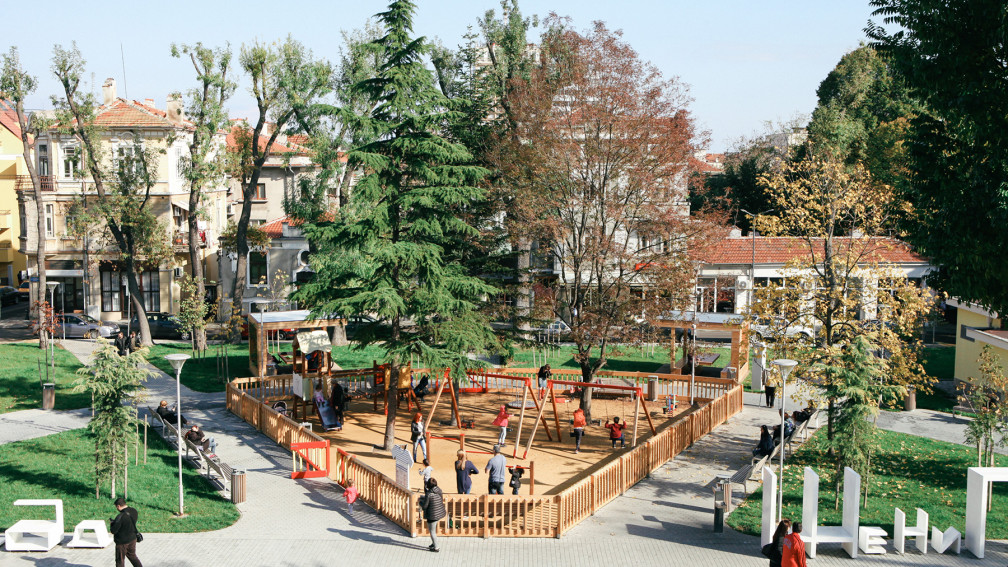
Urban design addresses different challenges in new developments and existing urban environments. In newly developed areas, it establishes the structure for future growth, while the regeneration of squares, streets, and neighborhood spaces focuses on improving connections, accessibility, and the quality of public space.
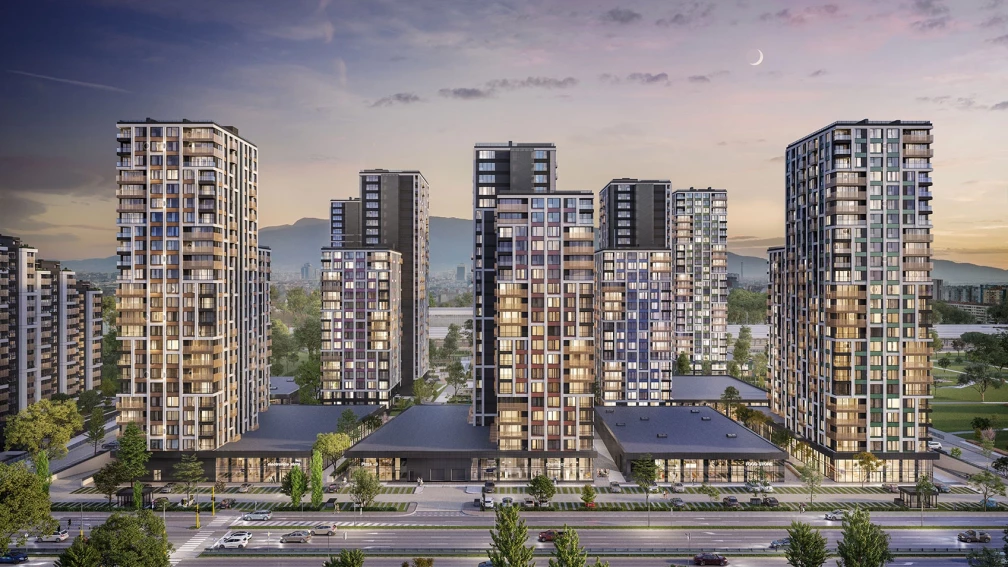
The portfolio of IPA - Architecture and more includes large-scale residential developments as well as urban regeneration projects. In these projects, architectural design is developed within a broader spatial framework in which buildings, landscape, infrastructure, and public areas contribute to a coherent urban environment.