

What Is Design Process Management?
Design process management covers the planning, organization, and tracking of design activities during the pre-design and design stages. The objective is to establish a clear framework with defined tasks, schedules, responsibilities, and sequencing between participants.
IPA - Architecture and more supports clients and investors in managing the work between architects, engineers, consultants, and specialist designers. The process is structured so that required information reaches participants at the appropriate time and project documentation develops consistently across disciplines. The current English service page describes the same core scope of planning, organization, and coordination during the design stages.
What Does the Service Include?
Depending on the scale and stage of the project, design process management may include:
-
defining key design tasks and responsibilities;
-
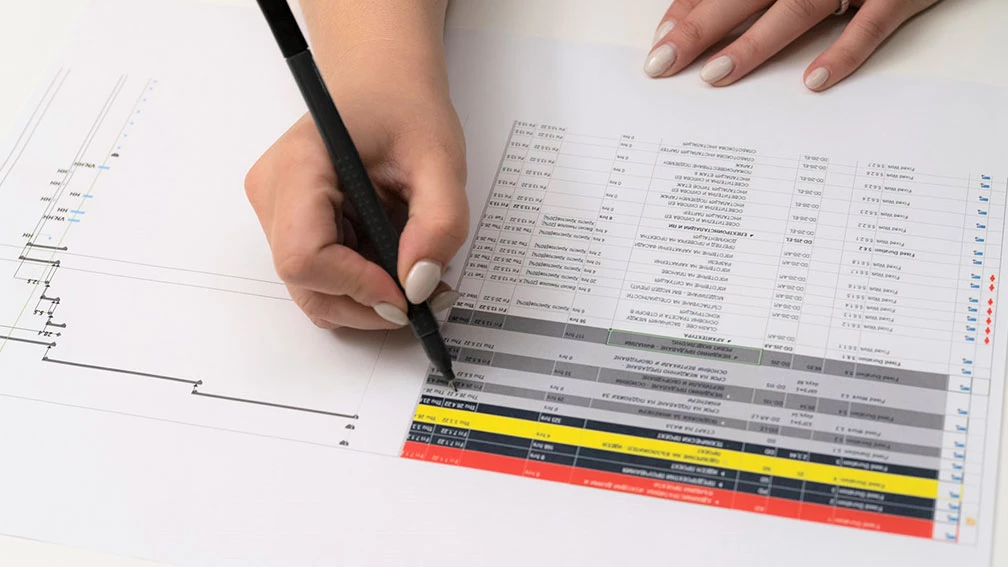
developing and tracking the design schedule;
-
organizing information exchange between participants;
-
tracking deadlines across design disciplines;
-
coordination between architectural and engineering disciplines;
-
monitoring the scope of design tasks;
-
tracking required project documentation;
-
identifying and following up on design inconsistencies;
-
defining required decisions and next actions;
-
monitoring readiness for subsequent project stages.
The specific scope depends on project complexity, the number of participants, and the required level of management.
How Is the Design Process Managed?
For complex projects, investment project management establishes the overall framework, while design process management focuses on developing design solutions, tasks, and required documentation.
During architectural design and engineering design, relationships between disciplines, required input information, and decisions affecting other parts of the project are tracked.
Once the design documentation reaches the required level of development, the process connects with project coordination and approval. At the same time, project budgeting can track how developing design decisions affect the financial framework.
What Does the Investor Receive?
The investor receives clearer visibility into the status of the design process, current tasks, schedules, responsibilities, and decisions that need to be made. This reduces the risk of missing important information or allowing individual disciplines to develop without the required connections.
Systematic design process management creates a more reliable basis for project approval, budgeting, contractor selection, and subsequent delivery.
Need Design Process Management?
Contact us to discuss the project stage, participants, schedule, and required management scope.