

What Is BIM Modeling?
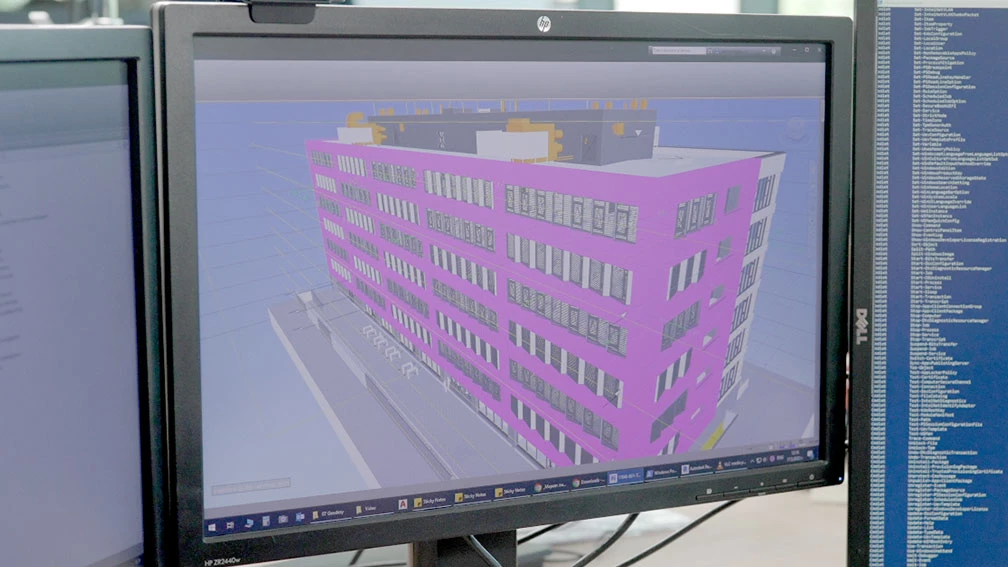
BIM modeling creates an information model that combines building geometry with structured data on elements, materials, areas, quantities, systems, specifications, and other project parameters. Unlike a conventional 3D model, a BIM model contains information that can support different stages of project development.
IPA - Architecture and more develops BIM models for architectural, engineering, infrastructure, and complex development projects. The required level of detail and information is defined according to the project objectives, stage, and intended use of the model.
What Does a BIM Model Include?
Depending on the project type and scope, BIM modeling may include:
-
architectural, structural, and engineering elements;
-
parametric geometry and project properties;
-
materials and specifications;
-
areas, volumes, and quantity data;
-
spatial and functional relationships;
-
information on equipment and systems;
-
preparation of views, sections, and schedules;
-
review of model geometry and project information;
-
preparation for further BIM analyses;
-
structured data for future use.
The information requirements are defined in advance so that the model contains the data needed for its intended purpose without unnecessary complexity.
How Is the BIM Model Used in the Design Process?
The BIM model can support architectural design and collaboration between architectural, structural, and engineering disciplines. Clash Detection can identify spatial conflicts between different elements and systems before construction begins.
For existing buildings, the model may be developed using available documentation, laser scanning, and Reality Capture and Scan-to-BIM. This creates a digital basis for renovation, adaptation, analysis, or future asset management.
The BIM model may also be expanded with 4D and 5D BIM, linking project information with schedules, construction stages, quantities, and costs. Where appropriate, the information may also provide a basis for the development of a Digital Twin.
What Does the Investor Receive?
The investor receives a structured BIM model with an agreed level of geometric and information detail. Depending on the scope, the model may contain project elements, parameters, quantities, schedules, and data for subsequent analysis or management.
The model provides a shared digital basis for project work and allows information to be tracked and used more consistently. This supports the identification of inconsistencies, comparison of design solutions, and more reliable preparation for subsequent project stages.
Need a BIM Model for a Development Project?
Contact us to discuss the project stage, available documentation, required level of detail, and intended use of the BIM model.