

What Are 4D and 5D BIM?
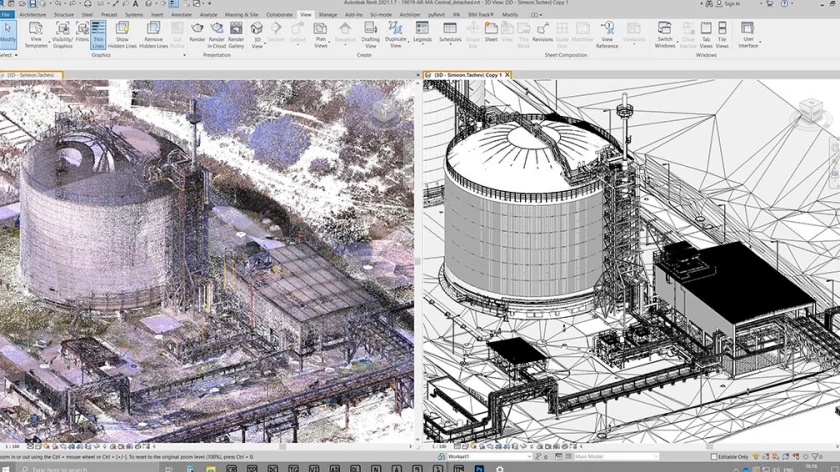
4D and 5D BIM extend the information model by connecting project elements with additional delivery data. 4D BIM links the model with schedules, activity sequences, and construction stages, while 5D BIM incorporates quantities and financial parameters.
This allows the BIM model to support analysis of time, quantities, and estimated costs in addition to communicating the design.
What Does the Service Include?
Depending on the project and available information, the service may include:
-
linking BIM elements with construction activities;
-
connecting the model with the project schedule;
-
visualization of construction sequencing;
-
division of the project into construction stages;
-
analysis of dependencies between activities;
-
use of quantity data from the BIM model;
-
linking elements and activities with estimated costs;
-
comparison of alternative delivery scenarios;
-
tracking changes in quantities, schedules, and estimated costs;
-
preparation of visual information for project and investment decisions.
The specific scope depends on the quality of the BIM model and the available schedule, quantity, and cost information.
How Are 4D and 5D BIM Used in the Project Process?
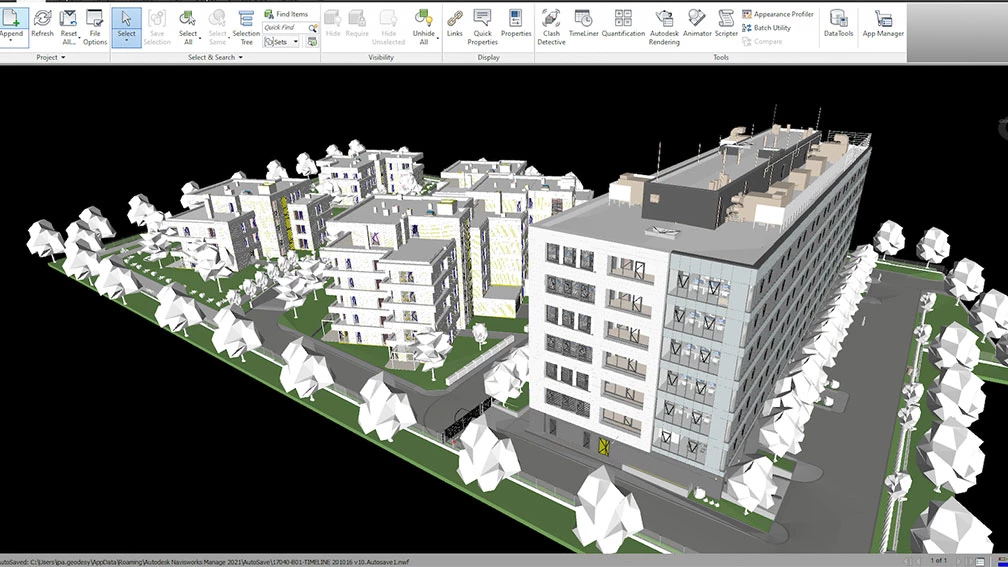
4D BIM allows the project to be reviewed over time and supports analysis of construction sequencing. This helps clarify dependencies between activities and identify potential difficulties during planning.
5D BIM uses quantity information from the model in connection with project budgeting, allowing design options to also be reviewed in terms of their potential cost impact.
For complex projects, 4D and 5D BIM may be used together with Clash Detection and design process management, providing a shared digital basis for design, scheduling, quantity, and cost information.
What Does the Investor Receive?
The investor receives BIM-based information showing how the project develops over time and, depending on the scope, how quantities and estimated financial parameters relate to the model. This provides a clearer basis for comparing alternatives, planning project stages, and evaluating the effects of design decisions on time and budget.
4D and 5D BIM do not replace the construction schedule, quantity take-offs, or project budget. They connect these datasets with the information model when the required information is available and structured.
Need 4D and 5D BIM Analysis for a Project?
Contact us to discuss the BIM model, schedule, quantity data, and required level of time and cost information.