




How will manufacturing and logistics buildings change after COVID-19?
Companies operating in manufacturing and logistics face the challenge of adapting their facilities to provide safe and efficient working and production conditions. A number of trends that were already underway before the beginning of the pandemic are expected to continue and even accelerate. Here are some of them:
Who will manage manufacturing processes at a time of significantly reduced human resources?
It is clear that the automation already underway across many manufacturing industries will continue and accelerate significantly so that companies can meet increasingly demanding requirements for productivity and finished-product quality. Germany, Japan, and South Korea are among the countries that have successfully introduced robots, specialized equipment, production lines, and software for remote operation and quality control.
In the long term, automation of manufacturing processes will significantly reduce production costs while increasing productivity several times over, allowing companies to compensate for losses and delays resulting from the state of emergency.
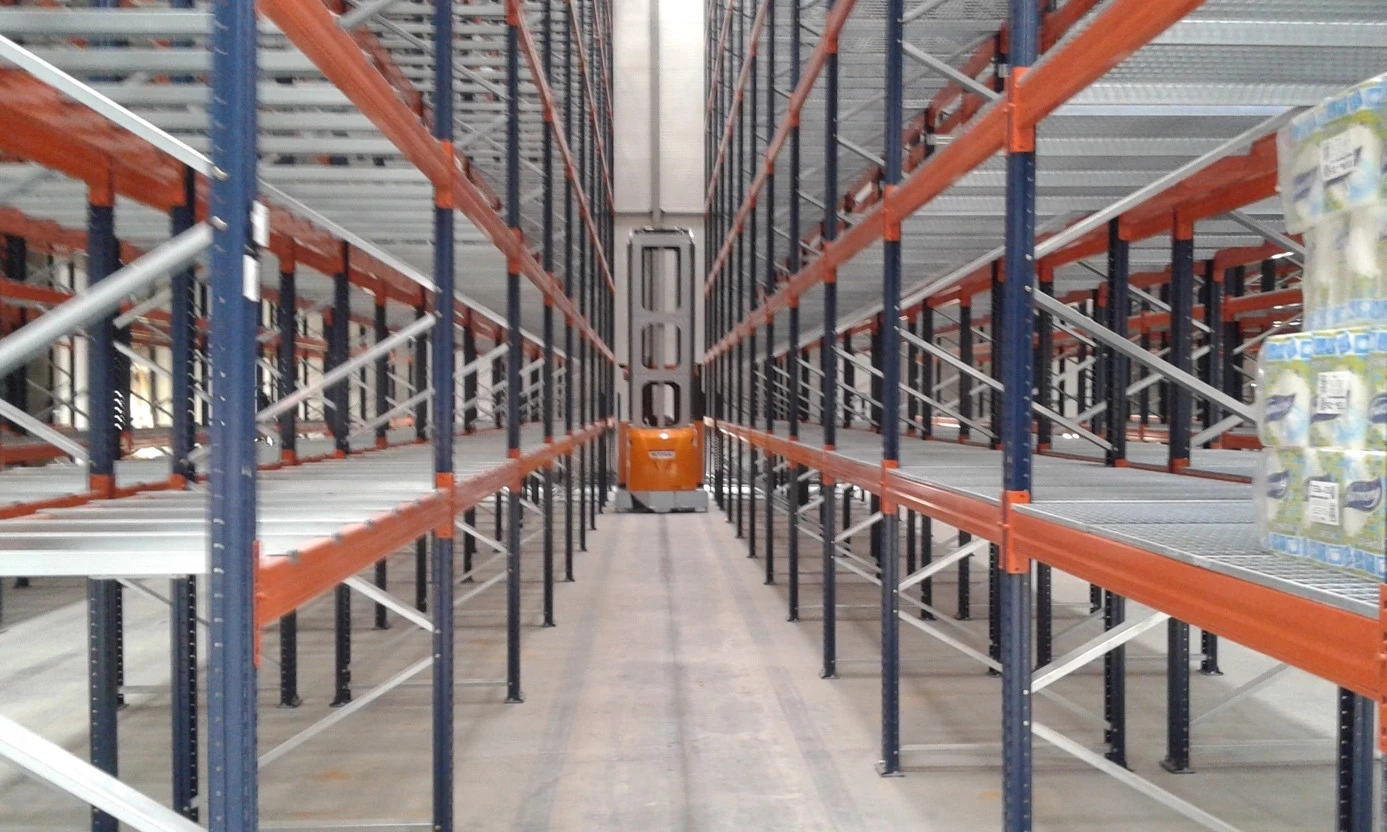
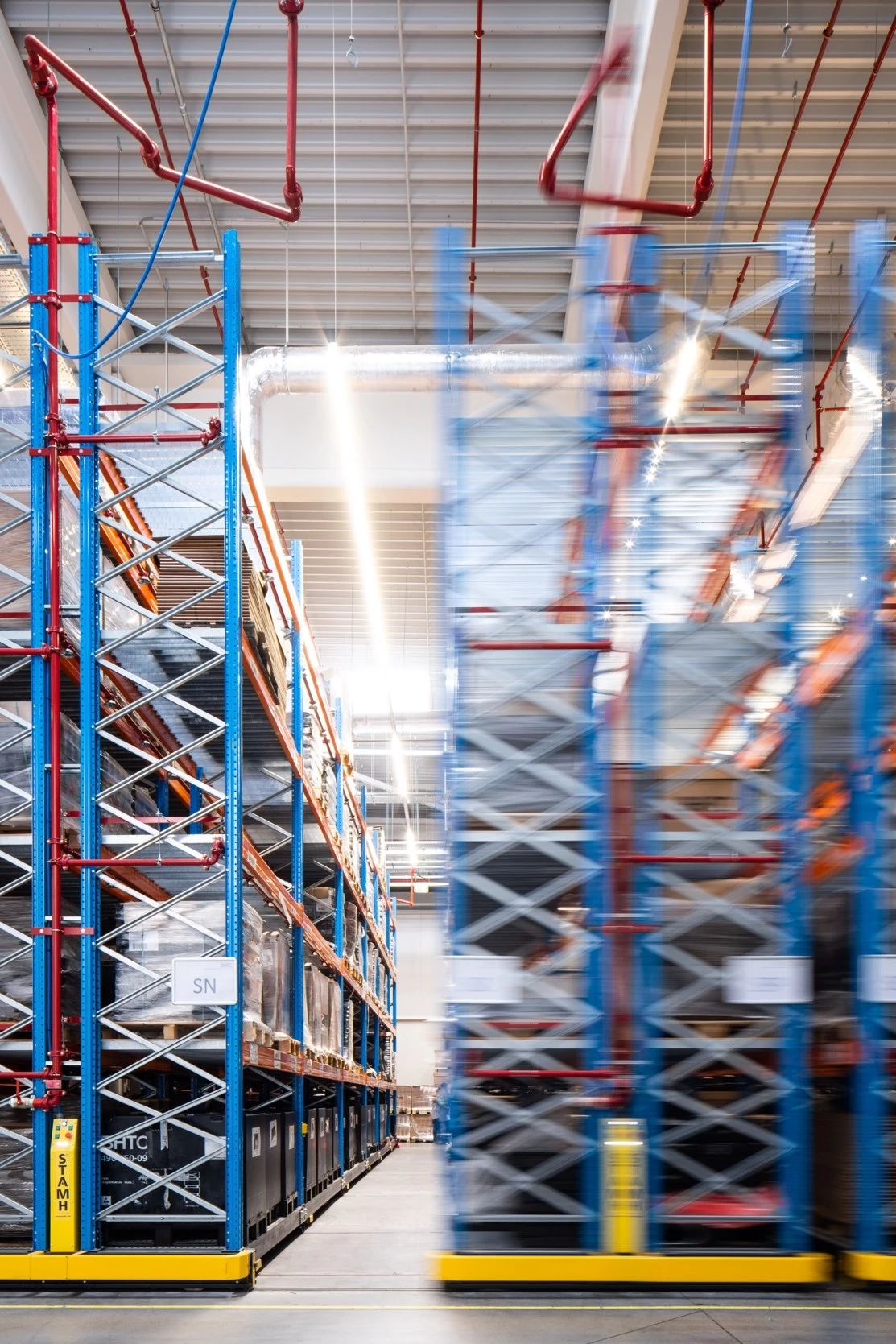
Because of the increased risk of supply-chain disruption, new buildings should be planned with greater capacity. Alternative solutions include mobile racking and automated warehouse installations such as VNA systems.
New developments in access-control systems
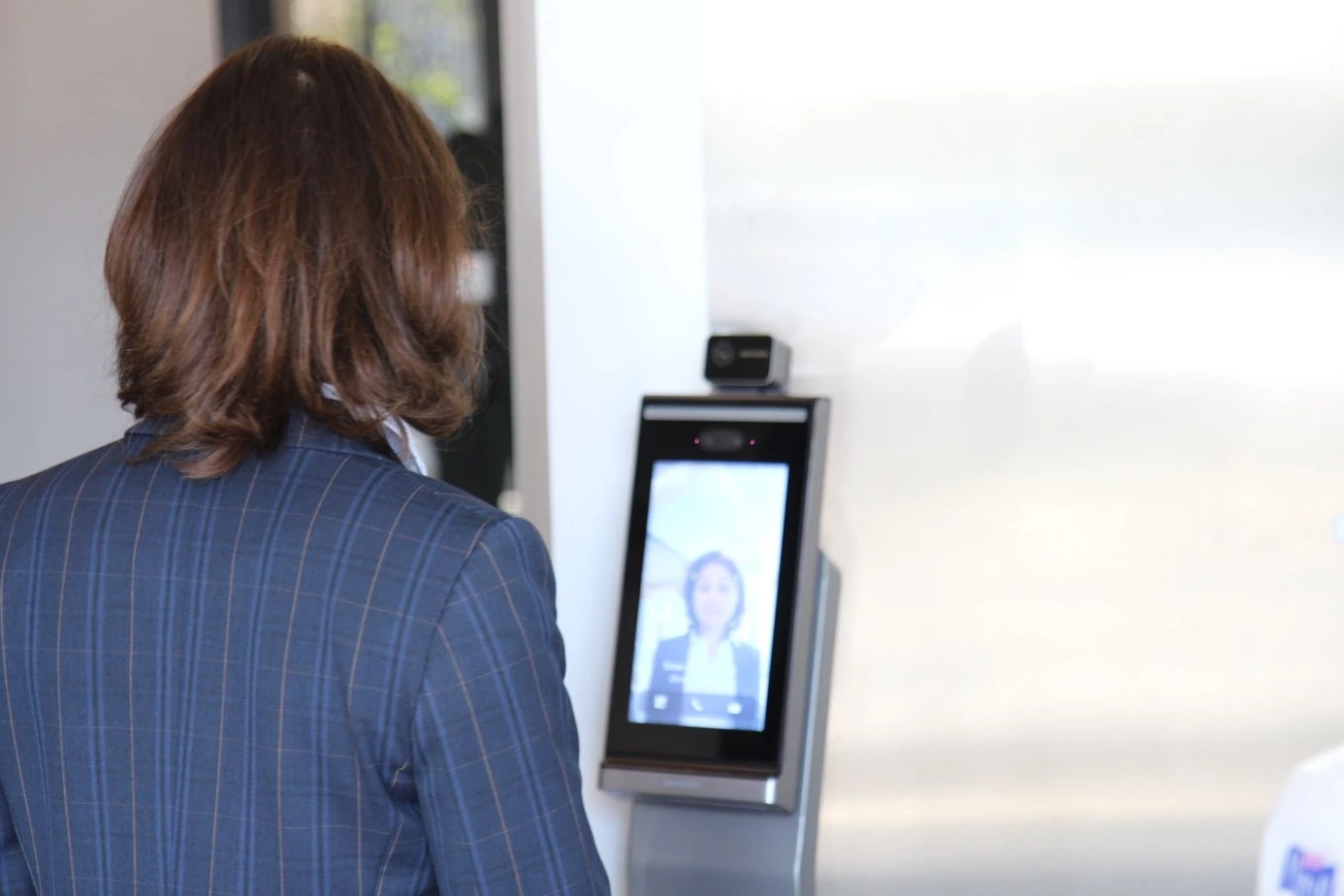
New terminals are already available that provide contactless identification through facial recognition and contactless temperature detection for health monitoring and prevention. They can be installed at entrances and used for access control through facial recognition while also monitoring the use of masks, measuring people's temperatures, and recording time spent at and away from the workplace for each person with authorized access.
If a person attempting to enter the building is not wearing a mask, the terminal can issue a voice warning reminding them of the mandatory use of personal protective equipment.
Installing thermal cameras alongside existing turnstiles in operating facilities is another alternative to these terminals. Various statistics and charts can be generated for processes monitored by the BMS, as well as information related to employees' health conditions. This allows timely and appropriate measures to be taken in relation to the operation of the facility, which in itself functions as a living organism composed of multiple organs and systems.
The functional organization of every manufacturing facility or logistics center is essential to the operation of this living organism. Functional connections are the veins through which the manufacturing process or the dispatch of goods flows. The main objective of IPA - Architecture and more is to provide clients with the necessary flexibility in functional planning through modular systems that define separate production or warehouse units capable of operating either together or independently.
This gives investors the opportunity to respond at any stage of their development, whether by leasing an individual module or expanding their operations by combining several manufacturing or warehouse units. Efficiency is therefore essential for new investments in manufacturing and logistics.
Phased construction is also frequently introduced, allowing a company to implement its investment plan gradually and in line with the development of its operations, without repeatedly having to coordinate the projects with the relevant authorities. This optimizes both implementation time and financial resources. When a company is not fully certain about its investment intentions or long-term development because of market uncertainty, the project can also be implemented through phased design, providing additional flexibility and allowing investment to be distributed over time according to the company's development and current market conditions.
Work environment and microclimate
The microclimate represents the lungs of the building. Each zone should allow temperature control according to employees' needs. In this way, common colds can be reduced to a significant extent, helping prevent weakened immunity and greater susceptibility to viral illnesses.
At present, there is no evidence that COVID-19 can spread through ventilation or air-conditioning systems. According to Eurovent, no official health authority has yet issued guidance on the proper operation of mechanical ventilation systems. Nevertheless, all such systems should be serviced regularly by their maintenance providers, cleaned more frequently than usual, operated with a higher percentage of fresh air, and run for longer periods. The installation of HEPA filters, commonly used in clean manufacturing environments, operating rooms, laboratories, aircraft, and similar settings, is also recommended. These filters are used to remove viruses, fine particulate matter, toxic dust, and other contaminants from the air. Their use reduces the relative speed of airflow but at the same time purifies the air circulating through workspaces.
Providing conditions that support personal hygiene in the workplace has always been a priority because, in many industries, insufficient hygiene directly affects the quality of the finished product, as is the case in food production. An adequate number of sanitary and hygiene facilities and sufficient work clothing should be provided for all employees based on the maximum number of workers per shift. Time buffers should be introduced between shifts to allow the working environment to be disinfected. Employee circulation routes should be separated to avoid different groups crossing. One shift changes and leaves while the workplace is disinfected, after which the next shift enters the already disinfected changing rooms and work areas. Mandatory work clothing should include all necessary protective equipment, such as masks, face shields, gloves, aprons, hats, footwear, shoe covers, and other required items.
After daily use, reusable work clothing should be placed in separate containers and washed. Disposable items should be discarded directly. Sanitizer dispensers should be installed at designated locations throughout production areas, with periodic audio reminders for hand disinfection and mask replacement. Masks should be worn for no longer than two hours, regardless of whether they are disposable or reusable. One-way circulation should be introduced with clearly differentiated entrances and exits. Directional signage should be installed in production and warehouse areas to guide employees. All of these measures should also be integrated into existing operating facilities.
Compliance with regulatory requirements regarding the minimum area for workstations within a room, particularly in existing buildings, is essential in limiting the spread of viral illnesses. Workspaces are often overcrowded because of insufficient space, particularly when a company's workforce grows without a corresponding expansion of its building stock.
Alternative solutions include installing screens between workstations, remote work, or shift-based working arrangements. If shift work has already been introduced, the number of shifts can be increased to reduce the number of employees present at the same time. Separating individual workstations provides each employee with personal space without completely isolating them from others. A major advantage is the prevention of direct airborne contact. Using appropriate materials such as Plexiglas or glass preserves the sense of a shared working environment and allows the verbal communication required for normal operations.
Contactless devices operated by sensors are also increasingly used, including doors, faucets, toilet flushing systems, soap and water dispensers, hand dryers, showers, and similar equipment. Until recently, these were often regarded as unnecessary luxuries and unjustified expenses for industrial facilities. From this point forward, their use is strongly recommended because they minimize the number and area of contact surfaces, which represent one of the primary carriers of bacteria.
Through collective effort, we can overcome the difficulties and restrictions affecting all of us. At the same time, we have an opportunity to lay the foundation for the further development of our businesses by introducing appropriate measures from the design stage onward. Our responsibility is to adapt to the presence of COVID-19 and continue moving forward.
IPA - Architecture and more has extensive experience in the field of manufacturing and logistics buildings and has worked in recent years with international clients including Behr-Hella Thermocontrol, Jysk, Yazaki, Orbico, Equinix, Ottobock, Volaplast. Over the past years, we decided to share our experience, additional research, and analysis on this subject. Through it, we want to assure our clients and partners that we understand the difficulties their businesses are experiencing during the pandemic and that we are prepared with alternative solutions that can help them compensate for delays and return to their previous level of performance.
The article was prepared by architect Boyan Panov, lead designer of a number of industrial and logistics buildings in Bulgaria.