

What Is Road and Transport Infrastructure Design?
Road and transport infrastructure design defines site access and the organization of movement within a property or development. Its purpose is to provide safe and functional connections for pedestrians, cars, freight transport, service vehicles, and specialized vehicles.
What Does the Design Include?
Depending on the project type, scale, and function, the scope may include:
-
streets and internal roads;
-
property entrances, exits, and access routes;
-
intersections and connections to the existing street network;
-
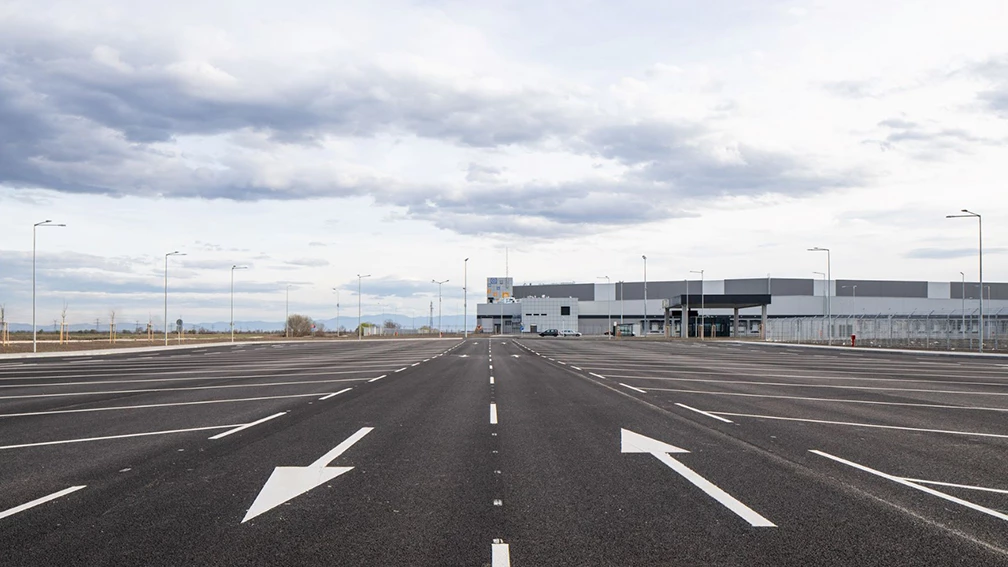
parking areas and short-stay spaces;
-
loading and unloading zones;
-
ramps, maneuvering areas, and service routes;
-
pedestrian connections, sidewalks, and accessible routes;
-
road surfaces, curbs, markings, and signage;
-
traffic organization;
-
plans, profiles, details, and technical documentation.
The solutions respond to traffic flows, operating conditions, vehicle types, site characteristics, regulatory requirements, and connections to the existing infrastructure.
How Is the Transport Design Coordinated with Other Disciplines?
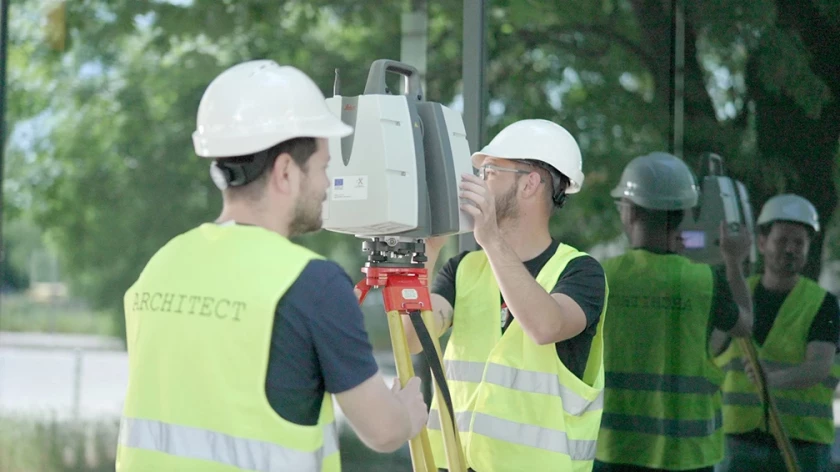
Project levels, access routes, drainage, and underground networks are coordinated with geodesy and site terrain modeling, engineering infrastructure, and water supply and sewerage design.
For manufacturing, logistics, and commercial developments, the transport layout is developed in relation to technological design and fire safety design. This allows pedestrian, passenger vehicle, freight, service, and emergency routes to be organized clearly and safely.
Early coordination reduces the risk of inconsistencies between project levels, road connections, underground utilities, drainage, and the functional organization of the site.
What Does the Investor Receive and What Projects Is the Service For?
The investor receives a technically sound solution for property access, traffic movement, parking, and transport servicing.
Depending on the agreed scope, the documentation may include plans, longitudinal and cross sections, details, traffic organization, and technical specifications. The service applies to residential, public, workplace, commercial, industrial, logistics, and mixed-use developments.
Planning Road or Transport Infrastructure?
Contact us to discuss site access, traffic flows, and the appropriate design scope.