

What Is Fire Safety Design?
Fire safety design defines the measures that protect people, property, and structural elements in the event of fire. It combines passive and active solutions for evacuation, fire resistance, limiting the spread of fire and smoke, and the operation of fire protection systems.
What Does the Design Include?
Depending on the building function and fire risk, the scope may include:
-
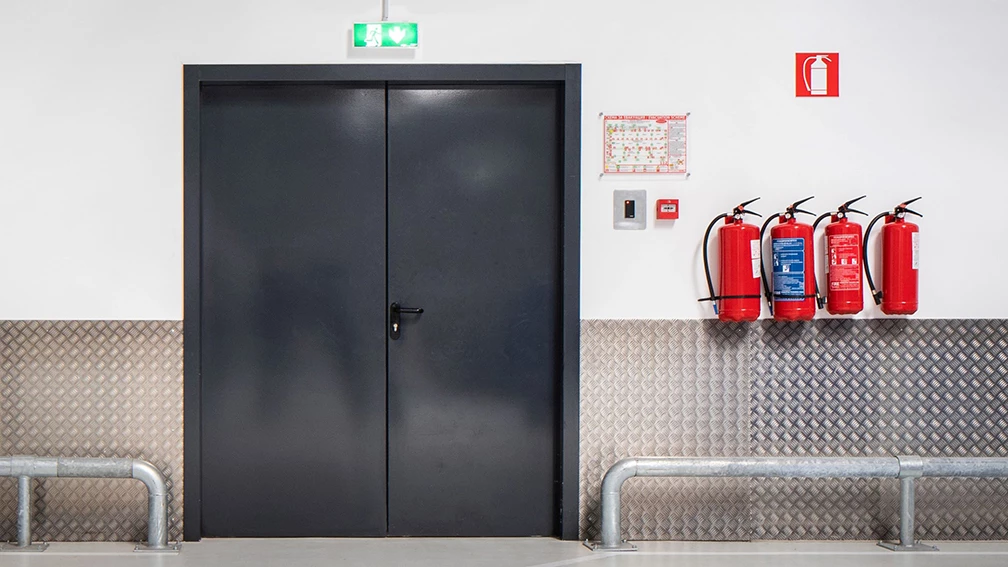
analysis of evacuation routes and exits;
-
definition of fire compartments;
-
structural fire resistance requirements;
-
fire protection of steel and other structural elements;
-
smoke extraction and smoke control solutions;
-
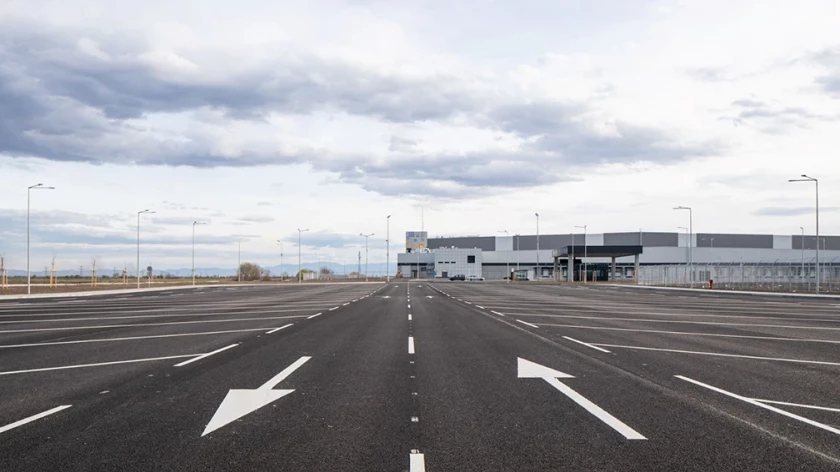
access and operating conditions for firefighting vehicles;
-
coordination of fire alarm and active protection systems;
-
development of a fire scenario;
-
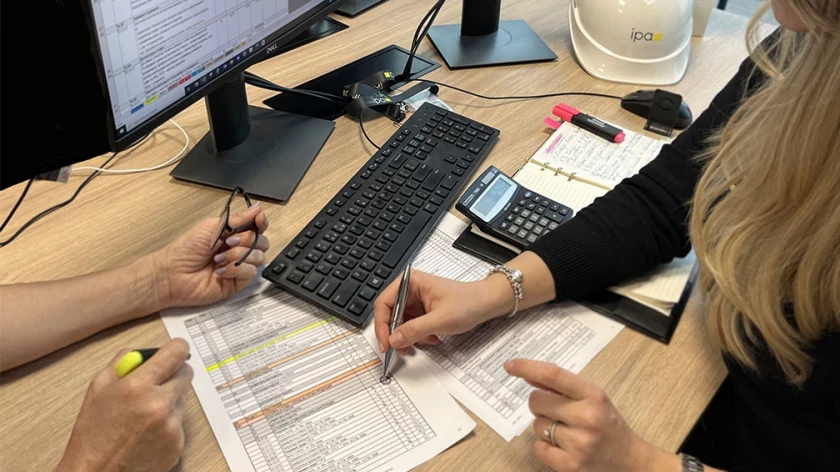
plans, diagrams, calculations, and technical documentation.
The solutions respond to the building function, occupancy, movement of people, fire load, materials, structural system, and applicable regulatory requirements.
How Are the Fire Safety Measures Coordinated?
The fire scenario defines the sequence of operation of the fire alarm, automatic fire suppression systems, smoke extraction, emergency lighting, doors, elevators, and ventilation.
The design is coordinated with structural design, HVAC systems, and electrical installations and systems. This allows fire resistance, evacuation, system routes, equipment, and control functions to be developed within a common safety strategy.
Early coordination reduces the risk of technical conflicts and provides a reliable basis for subsequent project coordination and approval.
What Does the Investor Receive and What Projects Is the Service For?
The investor receives a coordinated passive and active fire protection solution aligned with the building function, regulatory requirements, and actual construction and operating conditions.
The service applies to residential, public, workplace, commercial, industrial, logistics, educational, healthcare, and mixed-use buildings, as well as renovations and conversions.
Need Fire Safety Design?
Contact us to discuss the building function, fire risk, and appropriate design scope.