What Is Structural Design?
Structural design defines the load-bearing system of a building and the solutions required for safety, stability, durability, and practical construction. The structure responds to the architecture, building function, site conditions, loads, regulatory requirements, and project budget.
What Does the Structural Design Include?
Depending on the building type and scale, the scope may include:
-
cast-in-place reinforced concrete structures;
-
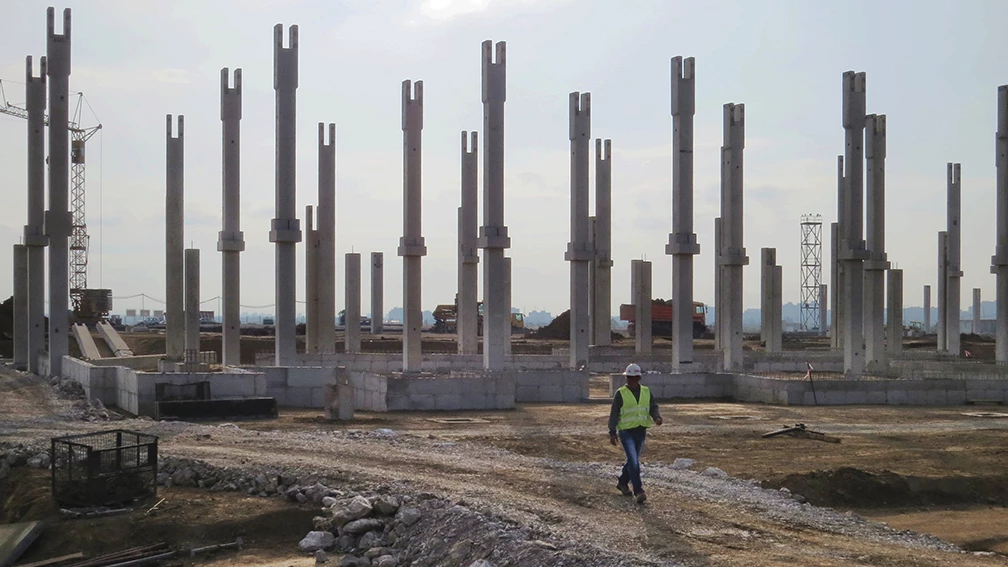
precast reinforced concrete structures;
-
steel structures;
-
timber and combined structures;
-
foundations and load-bearing elements;
-
floor and roof structures;
-
analysis of permanent, imposed, and seismic loads;
-
design of structural elements and connections;
-
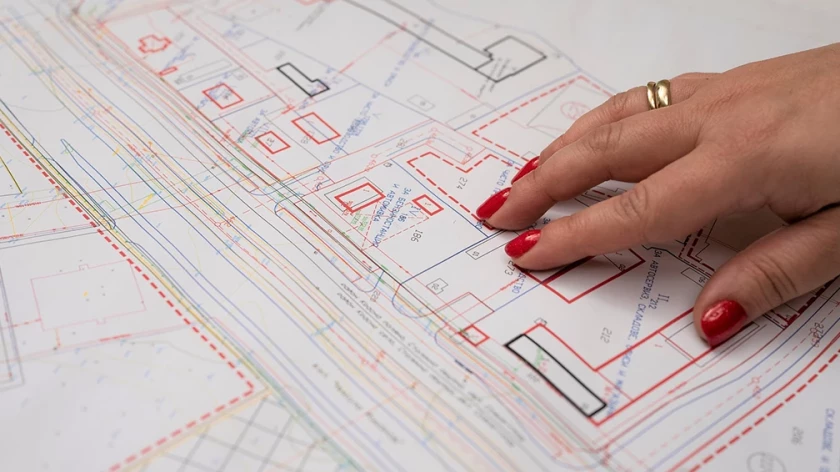
plans, formwork drawings, details, and specifications.
The appropriate structural system depends on the building dimensions and function, load distribution, site characteristics, construction technology, and long-term operating requirements.
How Is the Structural Solution Developed and Coordinated?
The structural design is developed together with architectural design to align structural elements, openings, layouts, facades, and the spatial organization of the building.
Foundations and project levels respond to information from geodesy and site terrain modeling and the available ground data. Fire resistance and protection requirements for structural elements are aligned with the fire safety design.
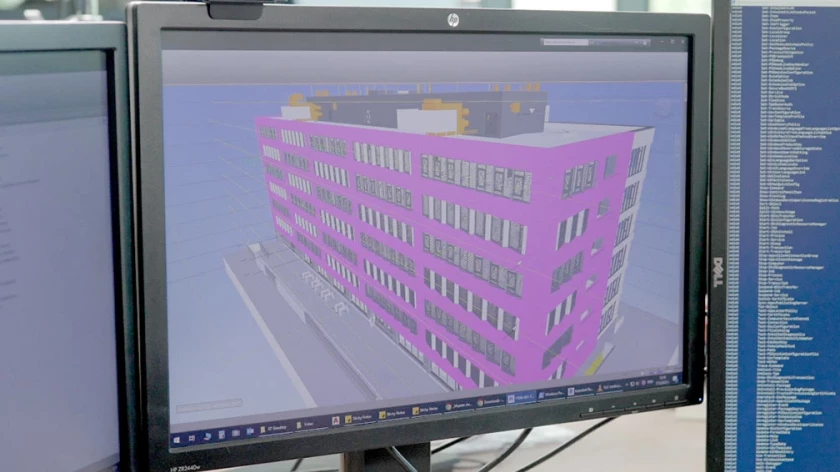
For complex buildings, BIM modeling supports the review of the structure against the architecture and engineering systems and helps identify inconsistencies involving openings, shafts, routes, and equipment at an earlier stage.
What Does the Investor Receive and What Projects Is the Service For?
The investor receives a technically sound structural solution aligned with safety requirements, architectural intent, construction technology, and project cost efficiency.
Depending on the agreed scope, the documentation may include calculations, plans, drawings, details, specifications, and technical requirements. The service applies to residential, public, workplace, commercial, industrial, logistics, educational, and sports buildings, as well as renovations and conversions.
Planning a Structural Design Project?
Contact us to discuss the architectural concept, site characteristics, and appropriate structural system.