


Architectural Projects for Sports Facilities
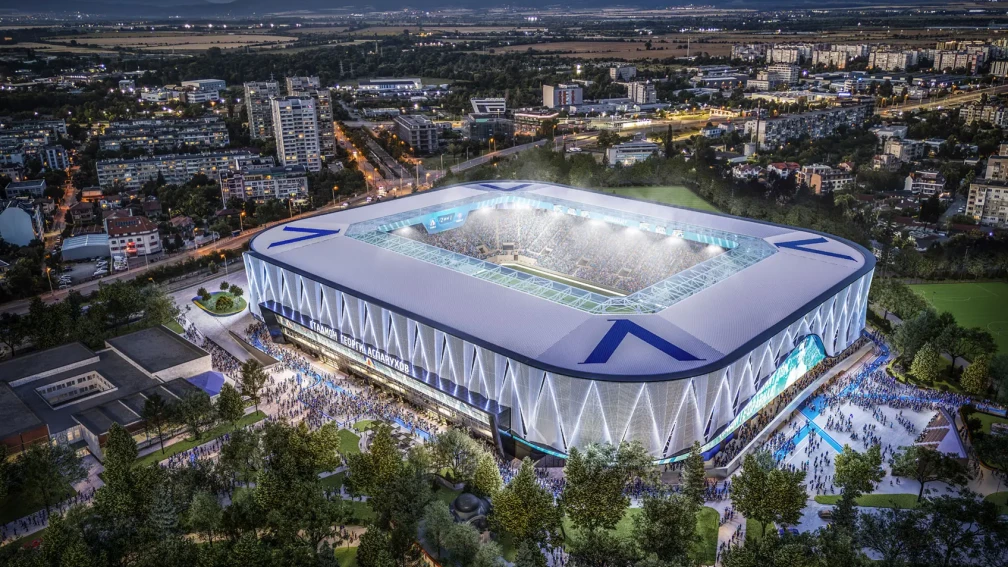
Sports facilities bring together a wide range of functions within a single system. Stadiums and competition venues must provide clear organization for athletes, spectators, media, technical teams, and support staff while meeting requirements for safety, capacity, and efficient circulation.
In the architectural design of sports facilities, IPA - Architecture and more approaches seating areas, sports zones, entrances, circulation routes, support spaces, and technical infrastructure as parts of one integrated functional structure. The architectural solution must perform effectively both during major events and in the everyday operation of the venue.
Crowd Circulation, Sightlines, and Spectator Experience
The movement of large crowds is one of the key considerations in stadium design. Access to seating areas, sector organization, evacuation routes, and the separation of different visitor groups must be clear and intuitive from the approaches to the building through to the individual stands.
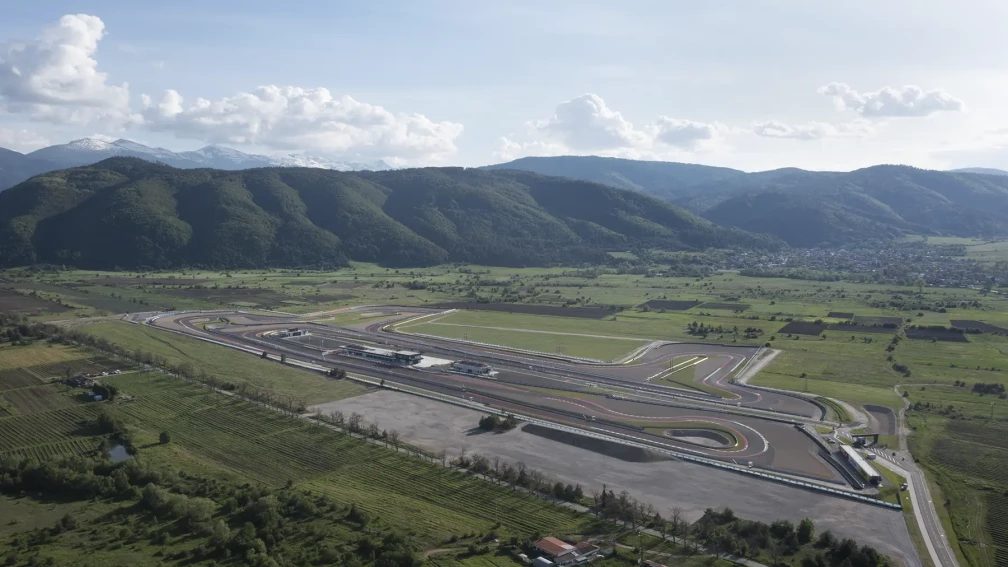
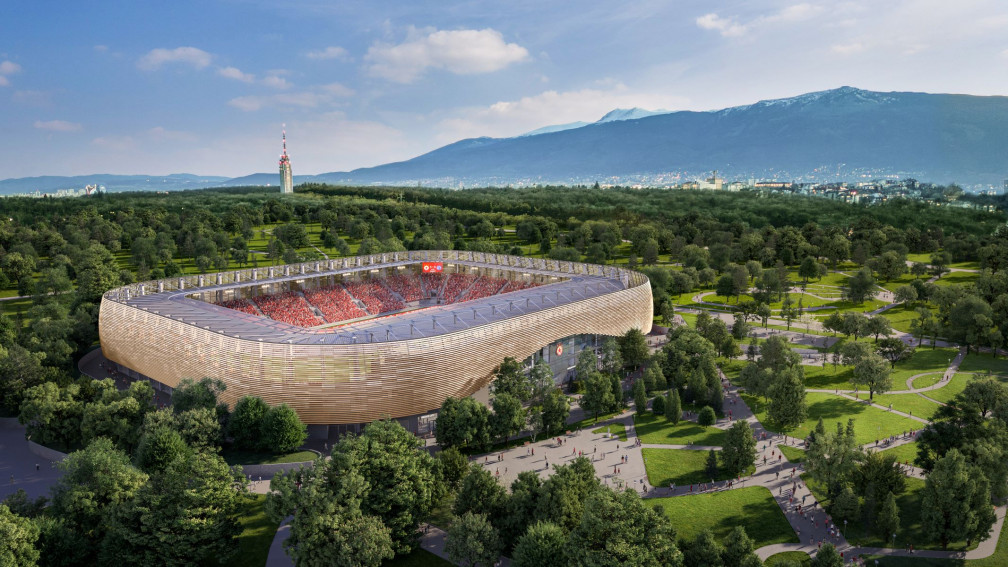
Sightlines to the field of play, proximity to the action, seating geometry, and the organization of support areas directly influence the spectator experience. Motorsport facilities follow a different spatial logic, shaped by the relationship between the track, pit areas, technical zones, race control areas, and spectator spaces.
Sports Infrastructure and Urban Connections
Sports facilities require extensive technical infrastructure, from lighting, sound, and communication systems to specialized building services and support areas. Engineering design therefore needs to be integrated with the architectural organization from the development of the main spatial concepts.
For major stadiums, the impact of the project extends beyond the building itself. Access routes, pedestrian movement, transportation connections, public spaces, and the way the venue functions outside event days all shape its relationship with the surrounding urban environment.
The portfolio of IPA - Architecture and more includes new and reconstructed stadiums as well as a motorsport circuit. As part of the broader field of public buildings, sports facilities combine large-scale public use, complex technical infrastructure, and the need for clear, safe, and recognizable spaces.