


Architectural Projects for Educational Buildings
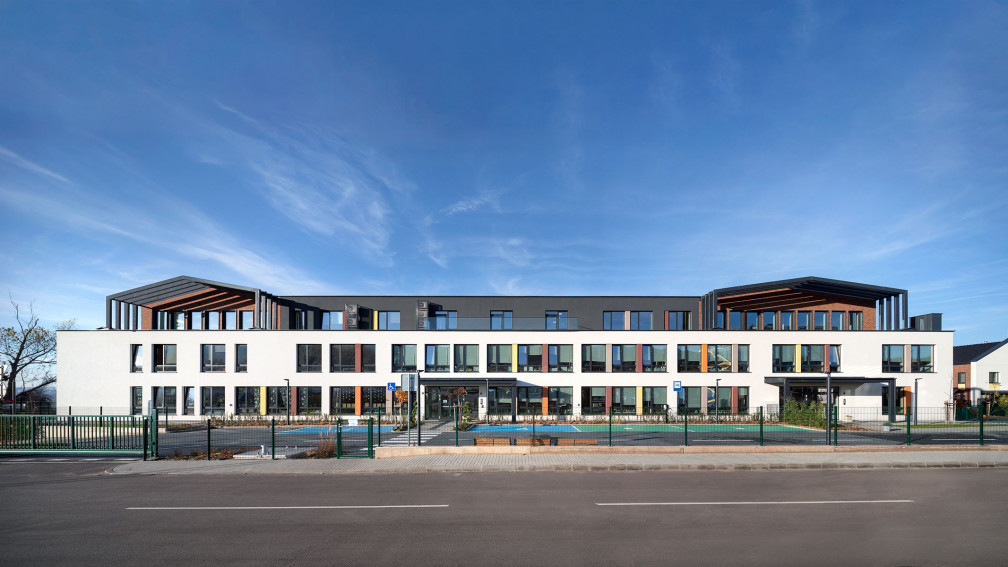
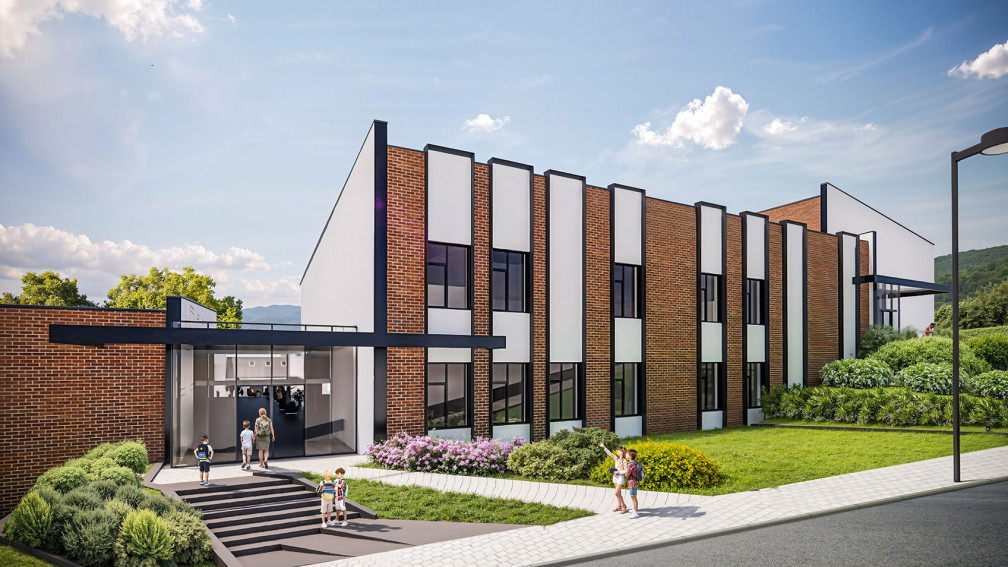
Educational buildings must respond simultaneously to the learning process, the age of their users, and the way different spaces are occupied throughout the day. Schools, kindergartens, and educational complexes require clear organization of classrooms, shared spaces, circulation areas, sports facilities, and activity zones so that the building is easy to understand and comfortable to use on a daily basis.
In the architectural design of educational buildings, IPA - Architecture and more analyzes the educational program, the number and age of users, different patterns of use, and the relationships between individual functions. The spatial structure is developed to provide both the necessary separation of zones and natural places for meeting, interaction, and informal learning.
Spaces Shaped by Age and Ways of Learning
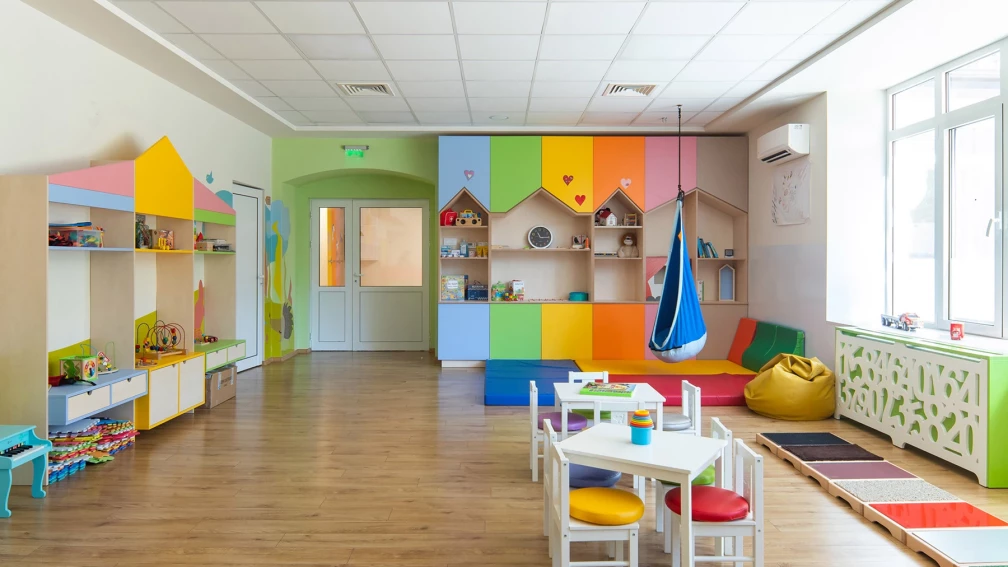
Different age groups have different needs related to scale, independence, movement, and supervision. For younger children, a direct relationship between activity rooms, shared spaces, and outdoor areas is especially important. In schools, greater emphasis is placed on specialized classrooms, sports facilities, libraries, and spaces for individual and collaborative learning.
Natural light, acoustics, visibility, and intuitive wayfinding directly influence how an educational environment is perceived and used. In these spaces, interior design complements the architectural organization through appropriate scale, materials, furnishings, and color strategies tailored to the specific function.
Learning Beyond the Classroom
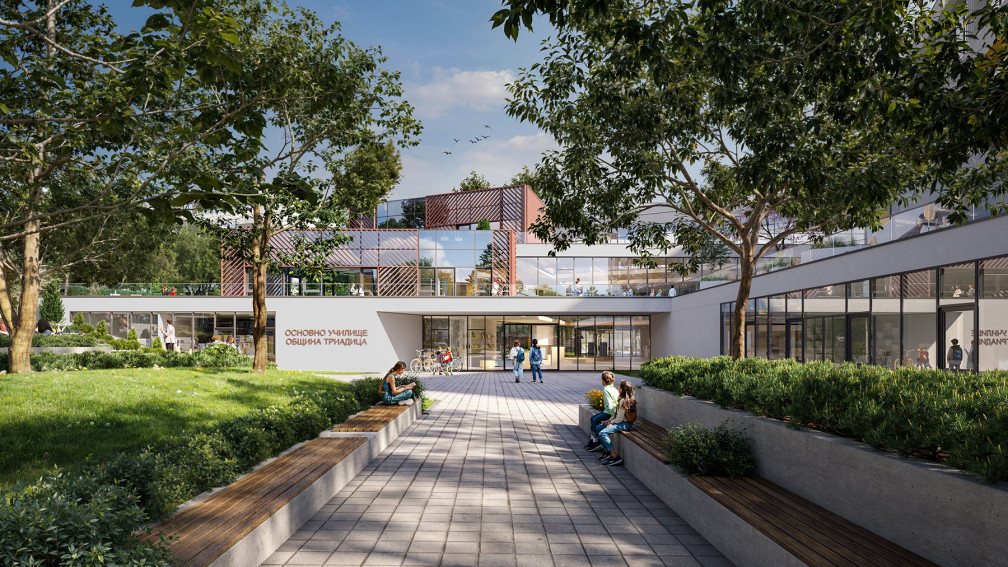
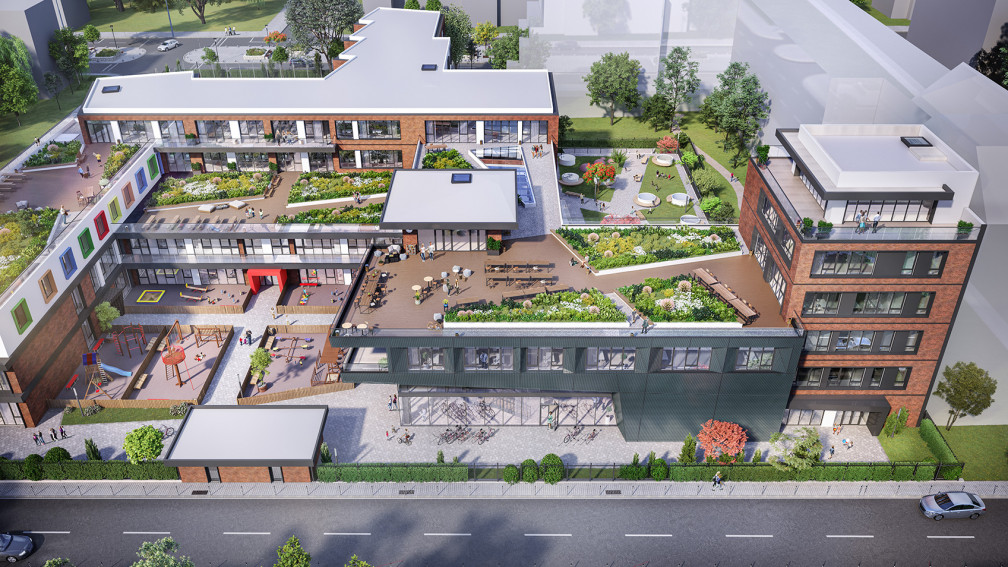
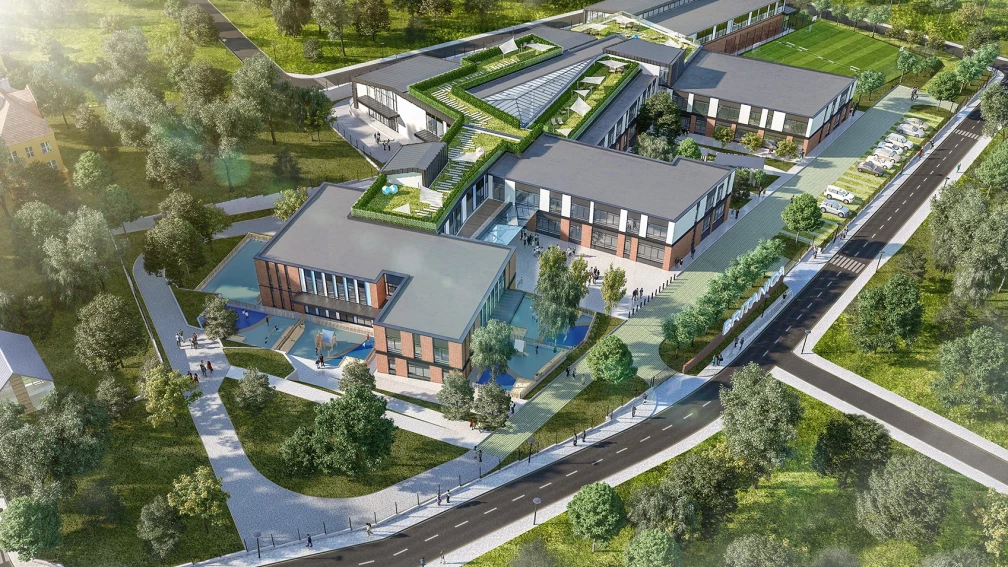
A contemporary educational building extends beyond classrooms and corridors. Courtyards, multipurpose spaces, areas for sports, arts, and science, as well as places for rest and social interaction, create different opportunities for learning and engagement throughout the day.
The relationship between the building and its outdoor spaces is also an important part of the learning environment. Courtyards, landscaping, and pedestrian connections can extend educational activities beyond the building and provide a wider range of settings for movement, play, and social interaction.
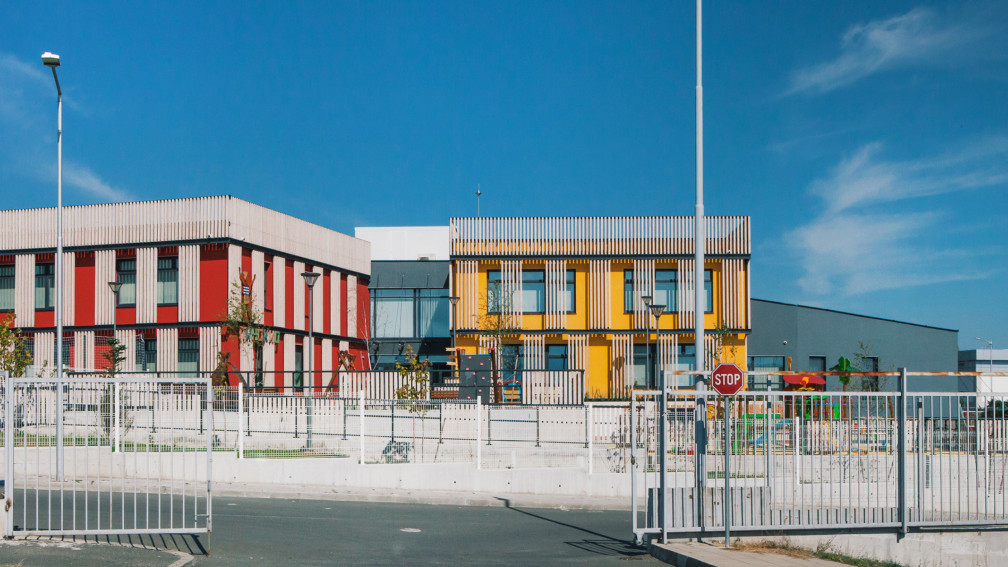
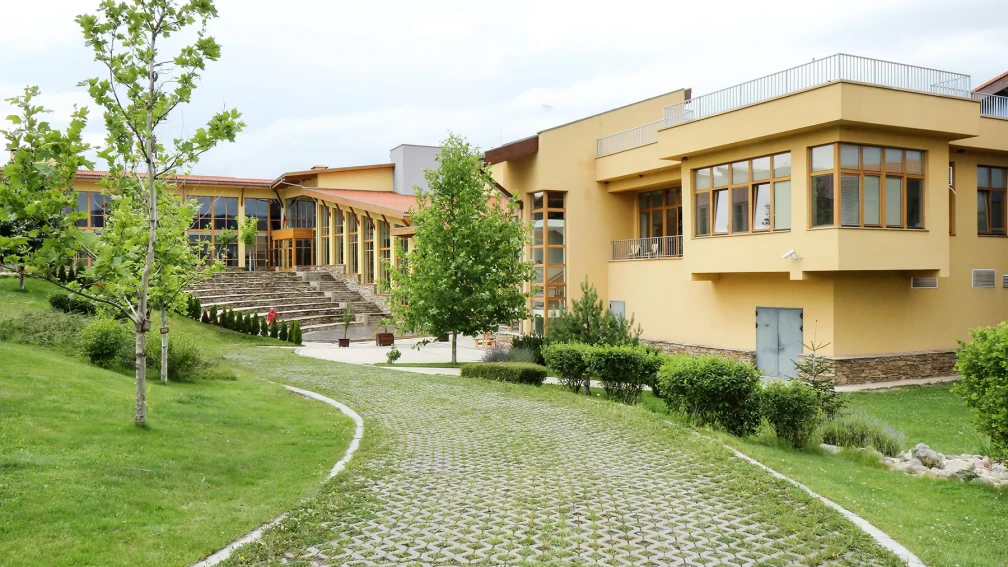
The portfolio of IPA - Architecture and more includes schools, kindergartens, children's development centers, and educational complexes of different scales. As part of the broader field of public buildings, these projects place particular emphasis on safety, accessibility, and environments that can adapt to different educational activities.