


Architectural Projects for Industrial Buildings
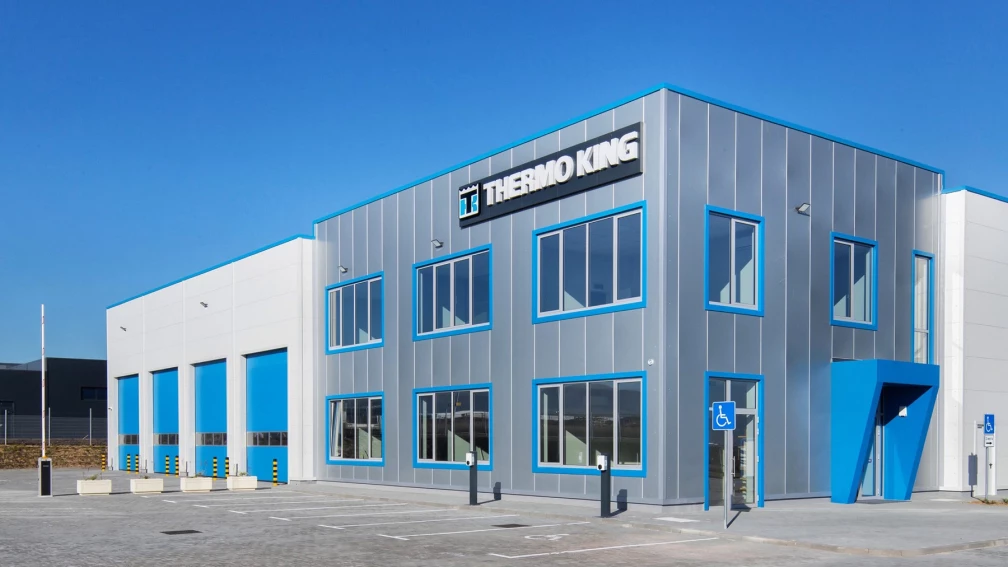
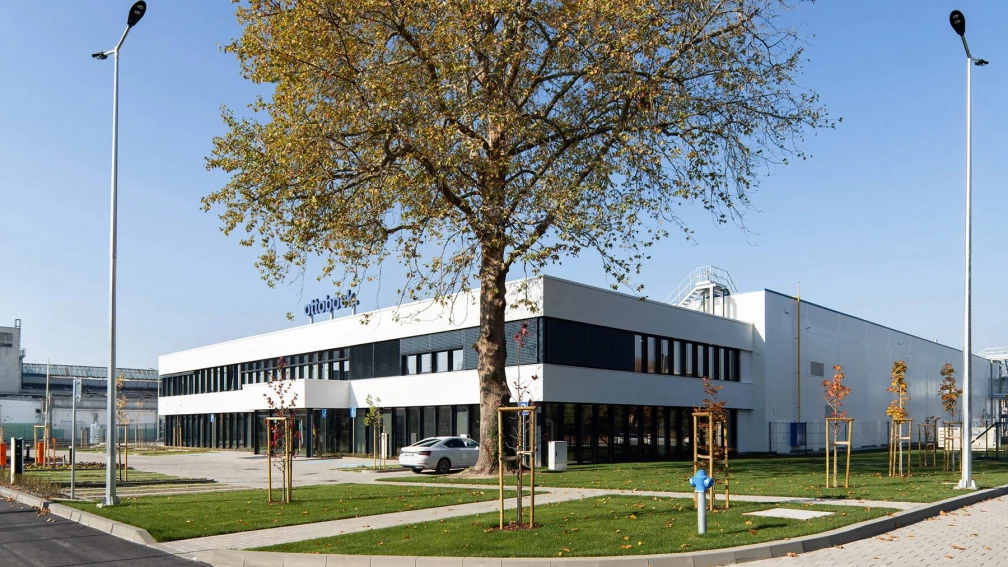
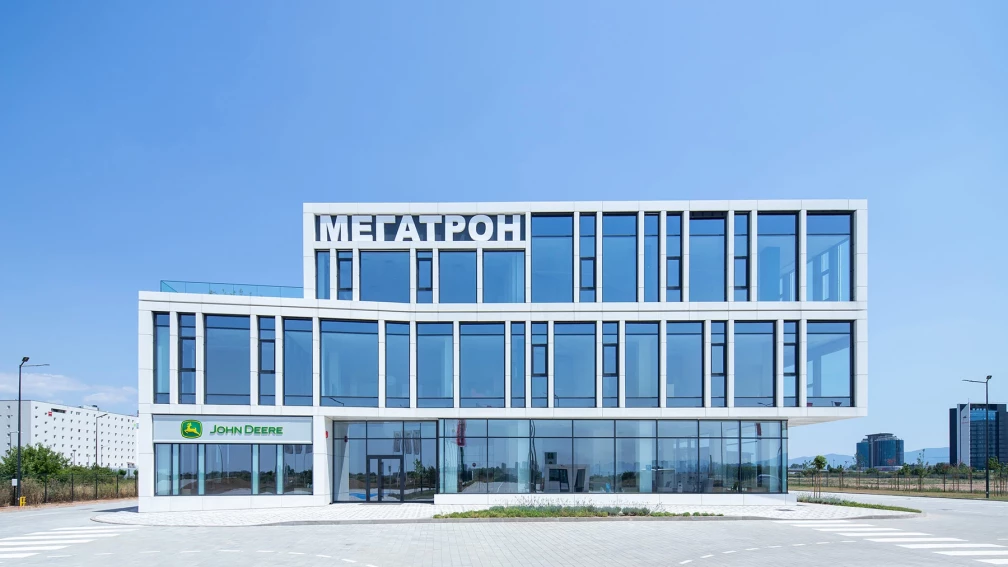
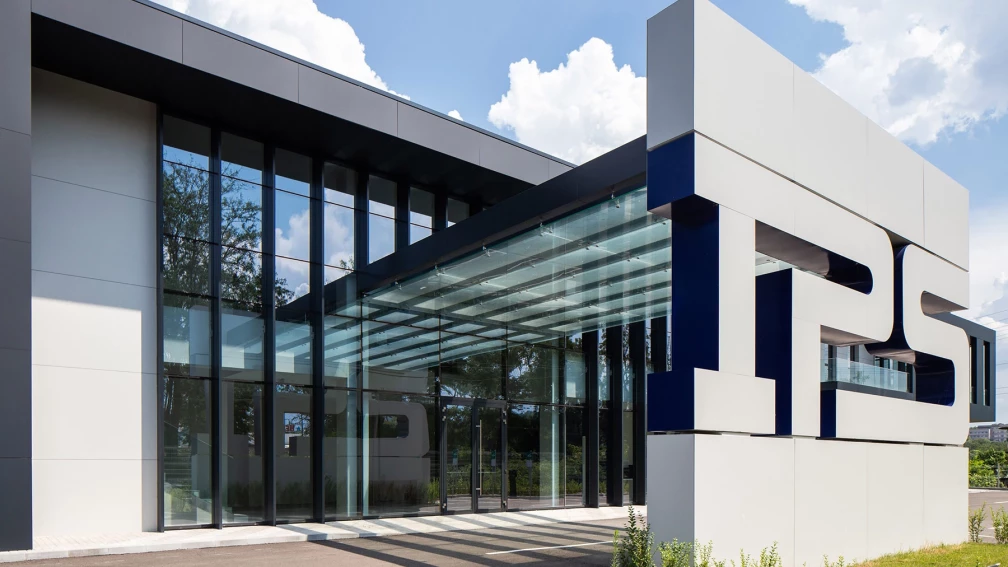
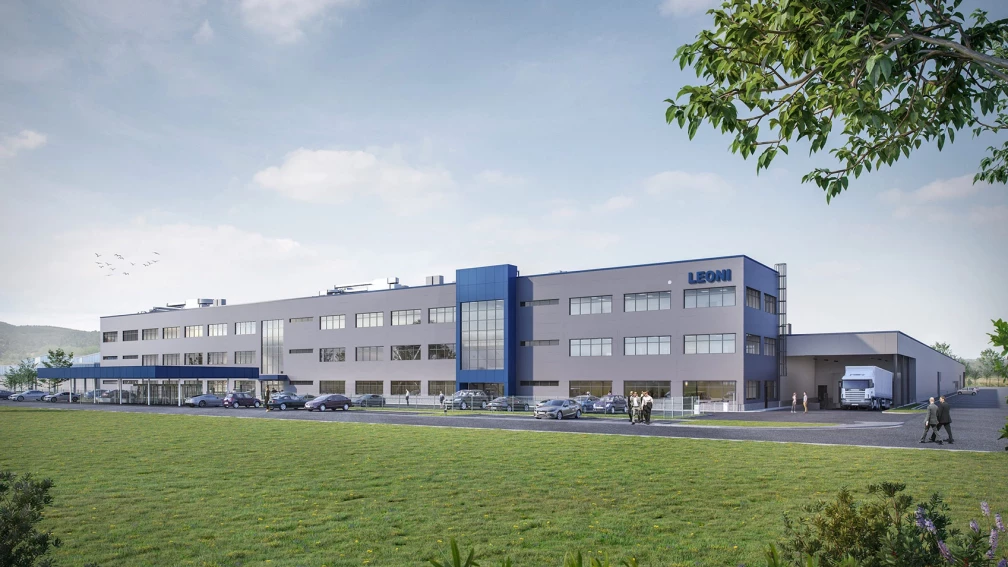
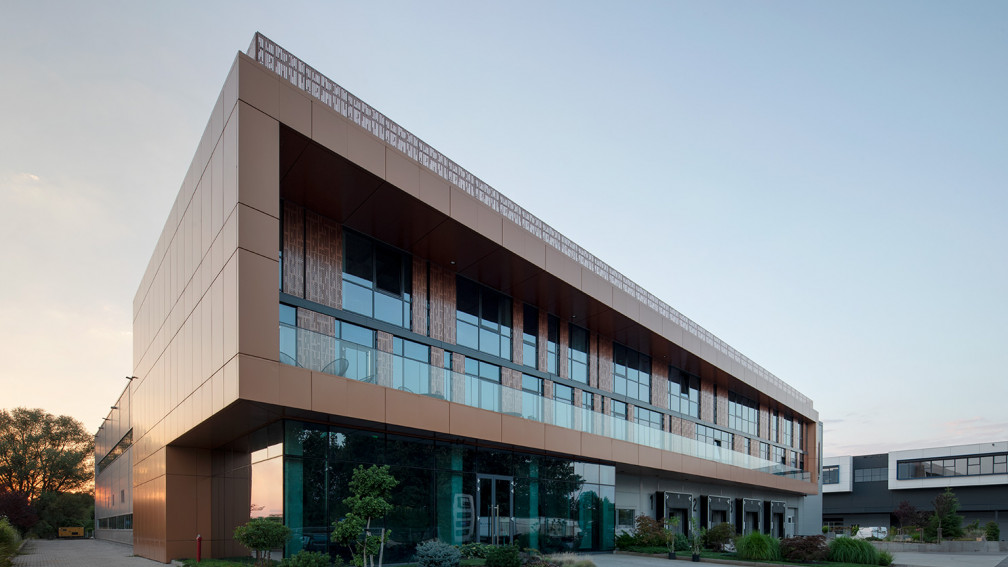
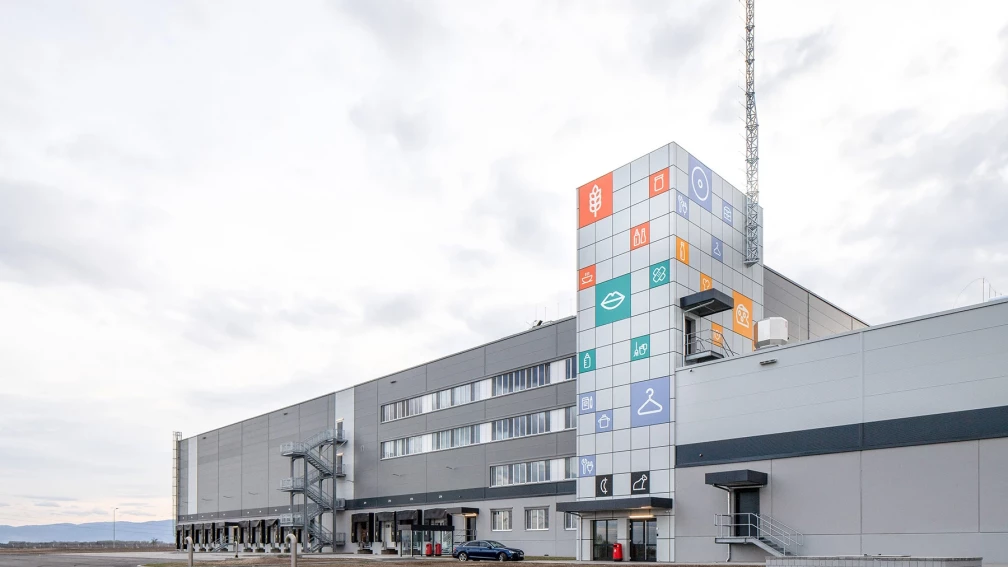
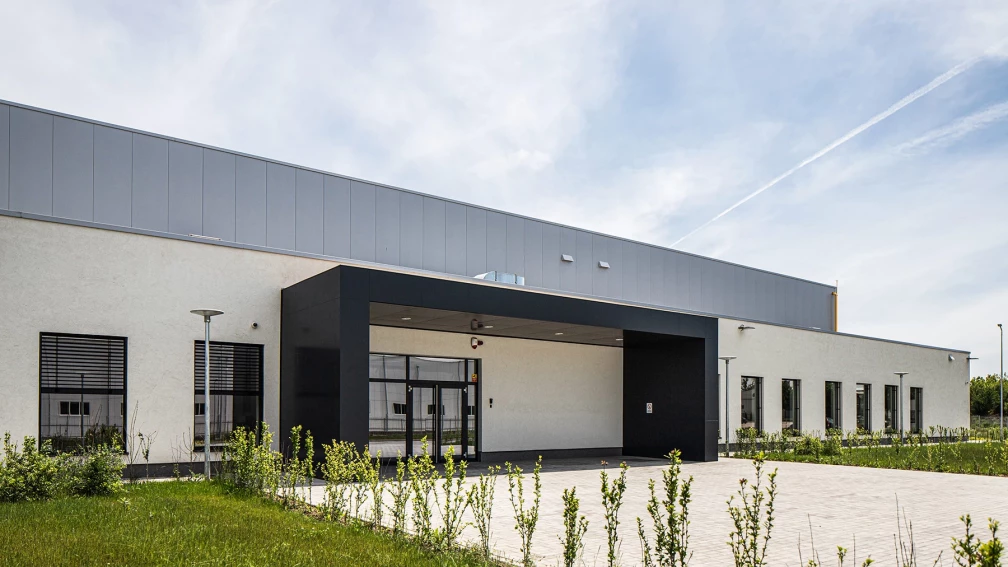
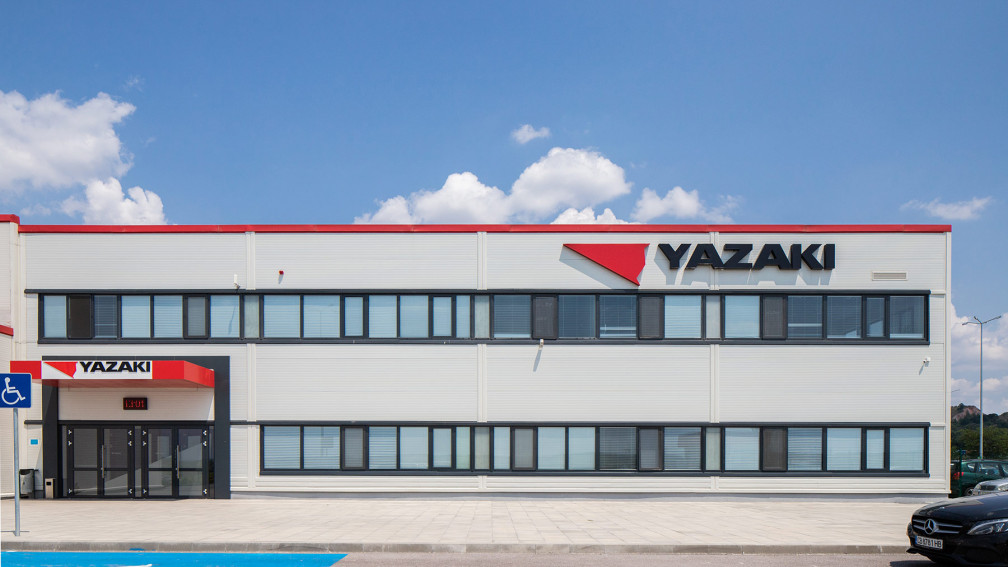
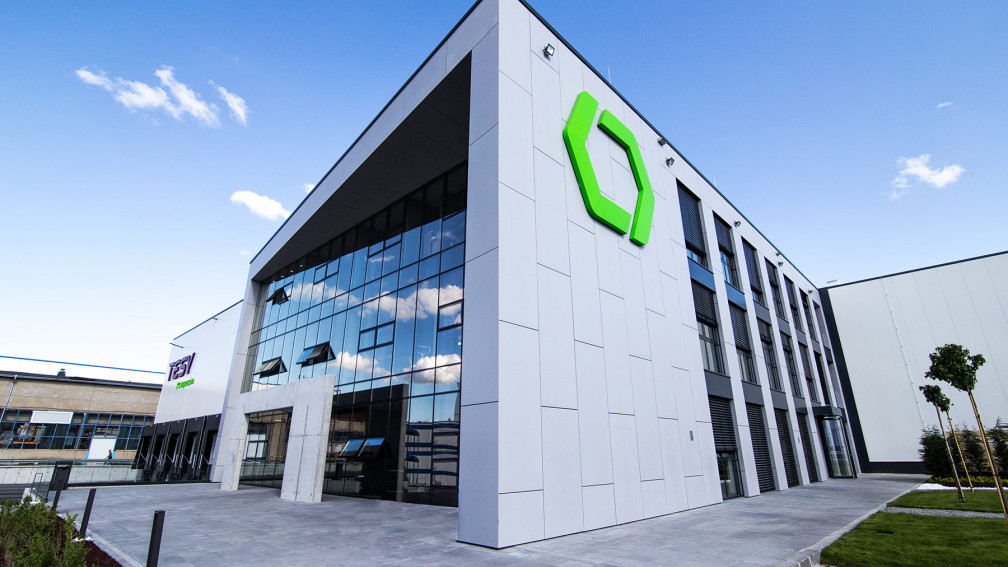
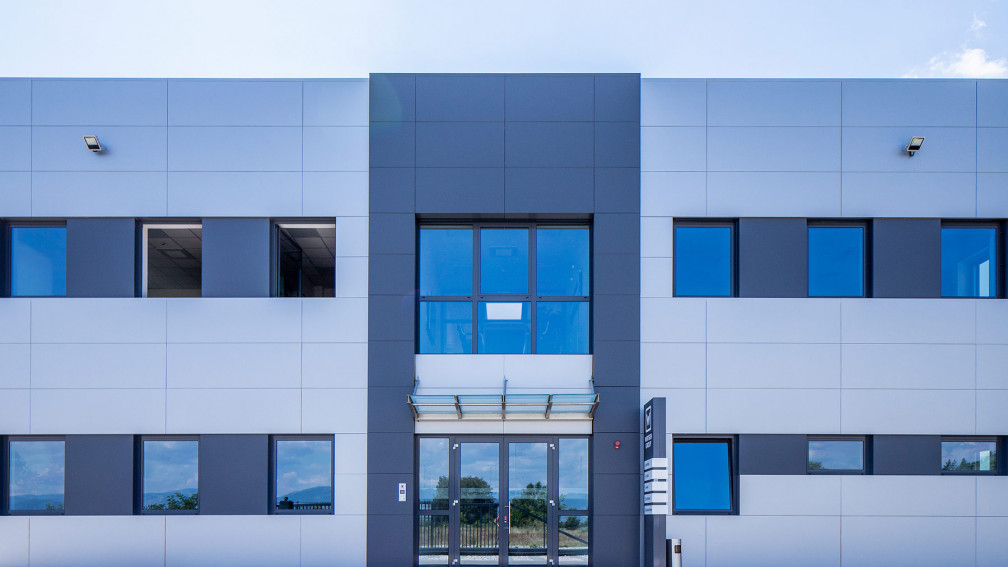
IPA - Architecture and more develops architectural projects for industrial buildings across a wide range of scales and functions. The portfolio includes production facilities, logistics centers, warehouse complexes, production and administrative buildings, business hubs, and specialized industrial infrastructure, including data centers and high-tech buildings.
Industrial architecture requires careful coordination between functional organization, technical requirements, and the specific technological processes of each project. Spatial planning must support the day-to-day operation of the facility, establish clear relationships between individual functions, and enable efficient use of the site.
Functionality, Logistics, and Future Development
Industrial building design focuses on the organization of operational and transportation flows, access, logistics, loading and unloading areas, warehouse space, and administrative functions. Each project begins with an analysis of production or logistics requirements, site conditions, transportation access, regulatory requirements, and operational objectives.
An important part of the design process is the ability of a building to respond to the future development of the business. Functional planning therefore considers not only the investor's immediate requirements but also the potential for expansion, changes in operational processes, and the development of individual functional zones.
Architecture and Engineering for Industrial Projects
The portfolio of IPA - Architecture and more includes production and administrative complexes, logistics facilities, retail and logistics centers, warehouse buildings, and data centers. These range from high-tech production facilities to large logistics complexes and specialized industrial infrastructure, each with distinct functional and technical requirements.
Through experience in architectural design and engineering design, IPA - Architecture and more develops industrial buildings with a focus on technical efficiency, functionality, sustainability, and adaptability to the future development of the business.